VA 703-457-9028
 Apply for Financing
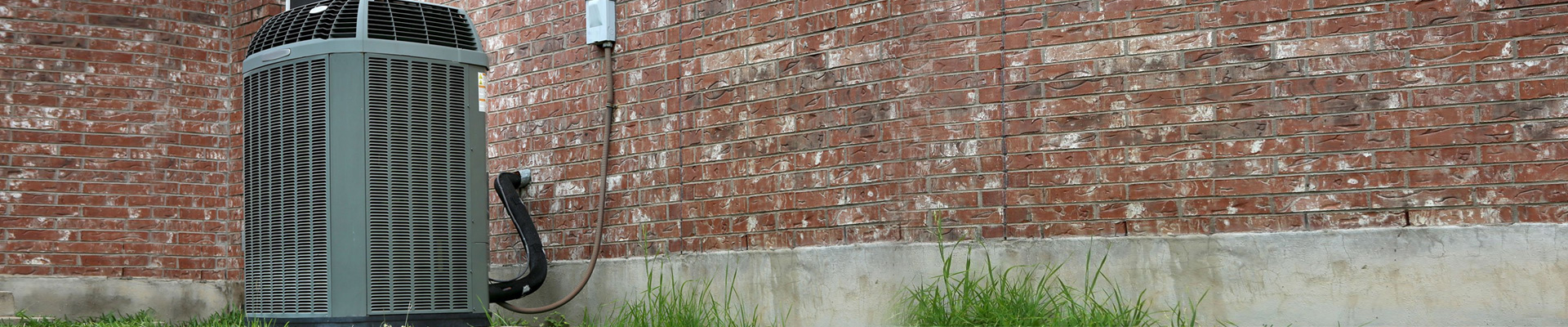
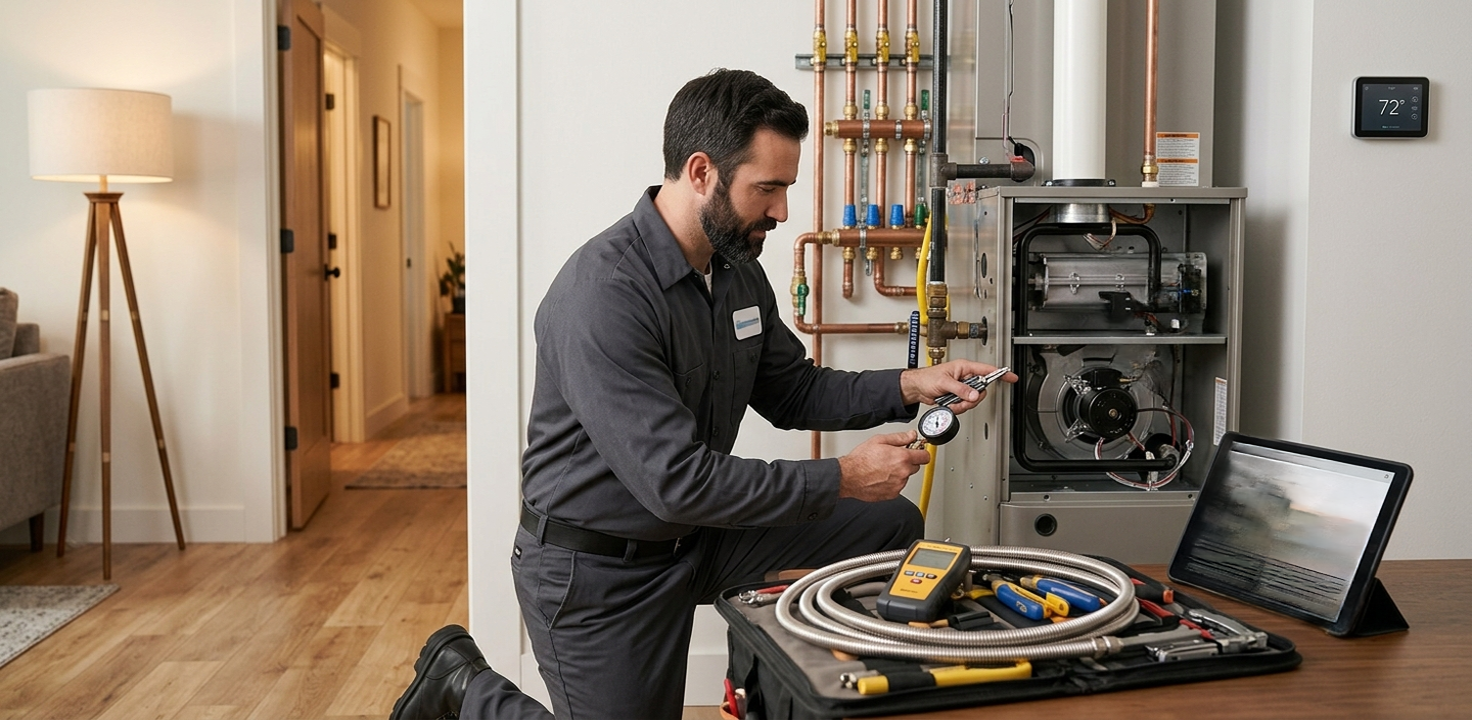
Is your old system struggling to keep up, or are you planning ahead before it fails? Choosing a new heating and air conditioning system is one of the larger investments you will make in your home. The right choice can improve comfort, lower energy bills and serve you reliably for 15 years or more.
The challenge is that there is no single “best” system. The right system depends on your home, your climate, your existing ductwork, your budget and how you want your home to feel. In this guide, we walk through each factor so you can make a confident, informed decision.
What Is an HVAC System?
HVAC stands for heating, ventilation and air conditioning. It is the system that controls the temperature, humidity and air quality inside your home. Most residential systems include the following parts:
- Heating equipment: a furnace, heat pump or boiler.
- Cooling equipment: an air conditioner or heat pump (outdoor condenser plus indoor coil).
- Air handler or blower: moves air across the coil and through your home.
- Ductwork or distribution: ducts, vents and returns, or pipes and radiators for boilers.
- Thermostat: the control center that tells the system when to run.
Cooling systems and heat pumps work by moving heat rather than creating it. In summer, refrigerant absorbs heat from inside your home and releases it outdoors. A heat pump can reverse that process in winter to bring heat inside.
Step 1: Understand the Types of Heating and Cooling Systems
Start by learning the main system types. Each one has strengths, and the best fit depends on your house and needs.
| System type | How it works | Best suited for |
|---|---|---|
| Central AC + gas furnace (split system) | An outdoor AC cools; an indoor gas furnace heats. Both share the same ductwork. | Homes with existing ducts and natural gas service. |
| Heat pump (ducted) | One outdoor unit heats and cools by moving heat in either direction. Uses electricity. | Moderate climates like Northern Virginia and Maryland; homes without gas. |
| Dual-fuel (hybrid) system | A heat pump handles most heating and cooling; a gas furnace takes over on the coldest days. | Homeowners who want heat pump efficiency with gas backup. |
| Ductless mini-split | An outdoor unit connects to one or more wall-mounted indoor units through a small line set. No ducts needed. | Additions, finished basements, older homes without ducts, rooms that are hard to heat or cool. |
| Boiler (hydronic heat) | Heats water and sends it to radiators or baseboards. Cooling needs a separate system. | Older homes already built with radiators; people who prefer quiet, even heat. |
| Geothermal heat pump | Uses stable underground temperatures through buried loops for heating and cooling. | Homeowners planning to stay long-term with suitable land; highest upfront cost. |
| Packaged unit | All components are in one cabinet, usually outside or on a roof. | Homes with limited indoor space; many light commercial buildings. |
Ducted vs. Ductless
If your home already has ductwork in good condition, a ducted system is usually the most practical choice. If it doesn’t, a ductless mini-split avoids the cost and disruption of installing new ducts. Each indoor unit can be controlled separately, which also gives you room-by-room zoning. Learn more in our guide to ductless vs. ducted systems.
Should You Consider a Heat Pump?
Heat pumps heat and cool from a single unit, and today’s models perform much better in cold weather than older ones. A heat pump typically costs a little more than an AC-only unit but can cost less than separate heating and cooling equipment. Read how a heat pump works for a deeper look.
Step 2: Consider Your Fuel Source
The fuel available at your home narrows your choices. Fuel cost matters, but it is only one part of the decision.
- Natural gas: Efficient and convenient where a gas line is available. Common with furnaces and dual-fuel systems.
- Electricity: Powers heat pumps, mini-splits and electric furnaces. Heat pumps are much more efficient than electric resistance heat.
- Propane: An option where natural gas isn’t available. It requires an on-site tank and scheduled deliveries.
- Heating oil: Found mainly in older homes. It requires a storage tank and deliveries, and many homeowners eventually convert to another fuel.
If you are thinking about switching fuels, such as oil to a heat pump, ask your contractor about electrical capacity, gas line work and any permits involved.
Step 3: Factor in Your Local Climate
Northern Virginia and most of Maryland sit in a mixed-humid climate. We get hot, sticky summers and cold winters with occasional deep freezes. That means your system needs to handle both heating and cooling well, and remove humidity in summer.
- Heat pumps work well for much of the year in our region.
- Dual-fuel systems pair a heat pump with a gas furnace for extra heating power on the coldest days.
- Variable-speed equipment runs longer at lower speeds, which helps pull more moisture out of the air during humid summers.
If you live in Alexandria, Arlington or Fairfax, an experienced alexandria hvac contractor can recommend equipment based on your home’s construction, sun exposure and comfort goals.
Step 4: Get the Size Right with a Load Calculation
Correct sizing is one of the most important parts of choosing a system. Cooling and heat pump capacity is measured in BTUs per hour or “tons” (1 ton = 12,000 BTU/h). Bigger is not better.
- Oversized systems turn on and off too often (short cycling). This wastes energy, wears out parts faster, creates temperature swings and removes less humidity.
- Undersized systems run constantly and may not keep your home comfortable on the hottest or coldest days.
A professional contractor should size your system using ACCA Manual J, a room-by-room calculation that considers insulation, windows, orientation, air leakage and local weather. Duct design should follow Manual D, and equipment selection should follow Manual S. Be cautious of anyone who sizes a system only by square footage or simply matches the old unit, which may have been sized incorrectly. For more detail, see how to calculate air conditioner size and what size furnace you need.
Tip: Upgrades like attic insulation, air sealing or new windows can lower your heating and cooling load. If you are planning them, mention it before your system is sized.
Step 5: Compare Energy Efficiency Ratings
Efficiency ratings tell you how much heating or cooling you get for the energy you pay for. Higher numbers mean lower operating costs, though the most efficient equipment also costs more up front.
| Rating | What it measures | Applies to | What to know |
|---|---|---|---|
| SEER2 | Seasonal cooling efficiency | Central AC, heat pumps | Higher is better. Since 2023, new split ACs in Virginia and Maryland must meet at least 14.3 SEER2 (15 SEER) under DOE regional standards. |
| EER2 | Cooling efficiency at peak heat | Central AC, heat pumps | Useful for comparing performance on very hot days. |
| HSPF2 | Seasonal heating efficiency | Heat pumps | The national minimum for new split heat pumps is 7.5 HSPF2. Cold-climate models score higher. |
| AFUE | Percentage of fuel turned into heat | Furnaces, boilers | Standard gas furnaces start at 80%. High-efficiency condensing models reach 90% to about 98%. |
Older systems can be far less efficient than new ones, so replacing a 15- to 20-year-old unit often lowers energy use noticeably. Read more about furnace efficiency ratings (AFUE) and factors that affect AC efficiency.
Step 6: Check Your Ductwork and Distribution System
Even the most efficient system will underperform if your ducts are leaking, undersized or poorly insulated. According to ENERGY STAR, a typical home loses about 20 to 30 percent of the air moving through its ducts to leaks, holes and poor connections.
- Forced-air systems (furnaces, heat pumps, central AC) use ducts. They cost less to install and the same ducts can carry both heating and cooling.
- Boilers use radiators or baseboards. They provide quiet, even heat but need a separate solution, such as ductless mini-splits, for cooling.
Before installing new equipment, ask your contractor to inspect your ducts for leaks, damage, insulation and enough supply and return vents. If some rooms are always hotter or colder than others, the cause could be ductwork, airflow, insulation or equipment, and it’s worth diagnosing before choosing a system.
Step 7: Choose the Comfort Features That Matter to You
Single-Stage, Two-Stage or Variable-Speed
| Type | How it runs | Comfort and efficiency |
|---|---|---|
| Single-stage | Full power on, then off | Lowest cost; more temperature swings. |
| Two-stage | Low and high settings | Runs on low most of the time; better comfort and humidity control. |
| Variable-speed (inverter) | Adjusts output in small steps | Most even temperatures, quietest operation, best dehumidification; highest upfront cost. |
Zoning and Smart Thermostats
Zoning lets you heat or cool different areas of your home to different temperatures, which helps in multi-story homes. A smart or programmable thermostat adds scheduling and remote control from your phone. The U.S. Department of Energy notes you can save up to 10% a year on heating and cooling by adjusting your thermostat 7 to 10 degrees for 8 hours a day. If your thermostat is outdated, see signs it’s time to replace your thermostat.
Noise Levels
Noise is often overlooked until the system is installed. Manufacturers list sound ratings in decibels (dB), and lower numbers are quieter. Variable-speed fans, insulated compressors and sound blankets help. If your outdoor unit sits near a bedroom or patio, compare sound ratings carefully.
Indoor Air Quality
Consider add-ons such as higher-MERV filters, whole-home dehumidifiers or humidifiers, and fresh-air ventilation, especially if anyone in your home has allergies or asthma. Learn how proper HVAC installation improves indoor air quality.
Step 8: Know About Refrigerant Changes
Under the federal AIM Act, new residential AC and heat pump systems have moved away from R-410A to lower-impact refrigerants such as R-454B and R-32. Systems still running on R-410A can continue to be serviced, and very old systems may use R-22, which is no longer produced. You are not required to replace a working system because of its refrigerant. However, it’s a good question to ask when comparing quotes, because it affects future service and parts.
Step 9: Plan Your Budget: Upfront Cost vs. Operating Cost
The purchase price is only part of what a system costs you. Your total cost over 15 years or more includes installation, energy use, maintenance and repairs. Installed cost depends on several factors:
- System type and capacity (tonnage)
- Efficiency level (SEER2, HSPF2, AFUE)
- Single-stage, two-stage or variable-speed equipment
- Ductwork repairs, modifications or new ducts
- Electrical, gas line, venting or permit requirements
- Accessibility of the installation location
- Add-ons such as zoning, smart thermostats or air quality equipment
Because every home is different, an accurate price requires an in-home evaluation. For general ranges, see our guides on the cost of a new central heating system, heat pump replacement cost and how to save money on a new HVAC system.
Rebates and incentives: The federal 25C energy-efficiency tax credit for heat pumps, central air and furnaces ended for equipment installed after December 31, 2025. Utility and state programs change often, so check current offers from your utility and the manufacturer, and ask about financing options.
Step 10: Compare Brands, Reliability and Warranties
Most major manufacturers make good equipment across several product lines. In practice, installation quality has a bigger effect on how well your system performs and how long it lasts than the brand name on the unit. When comparing options, look at:
- Parts warranty: Many brands offer 10 years on parts when the product is registered on time.
- Compressor or heat exchanger warranty: Some are longer or lifetime on certain models.
- Labor warranty: This comes from the installer, not the manufacturer, so ask what is included.
- Parts availability: Check how easily parts and service can be found locally.
Step 11: Plan for Outdoor Unit Placement
Outdoor condensers and heat pumps need good airflow. A common guideline is to keep about 2 to 3 feet of clearance around the unit and plenty of open space above it. Local codes or HOA rules may also limit how close the unit can be to property lines or a neighbor’s windows. Your contractor should check this during the site visit.
Step 12: Choose the Right HVAC Contractor
A well-chosen system installed poorly will not deliver the comfort or efficiency it promises. Use this checklist when comparing contractors:
- Verify a valid state HVAC license, insurance and bonding.
- Get written quotes from more than one contractor and compare the equipment, scope and warranties, not just the price.
- Ask whether they perform a Manual J load calculation, and request a copy of the results.
- Ask whether they will inspect your ductwork, electrical and venting.
- Look for trained technicians, such as NATE-certified installers.
- Check online reviews and the Better Business Bureau.
- Ask about maintenance plans and after-installation support.
Homeowners in Prince William County can also contact our team for hvac in manassas and the surrounding communities.
Repair or Replace? Make Sure You Need a New System
Replacement isn’t always the right answer. A system that is relatively young and well maintained may only need a repair. Replacement is usually worth considering when the system is 15 years old or more, needs frequent or costly repairs, uses R-22 refrigerant, or no longer keeps your home comfortable. A proper inspection identifies the root cause first, so you can make a decision based on facts. See HVAC repair vs. replacement for more.
Your Step-by-Step Checklist for Choosing an HVAC System
- Note your comfort problems, energy bills and the age of your current system.
- Identify your fuel options (gas, electric, propane or oil) and existing ductwork.
- Schedule an in-home evaluation with a licensed contractor.
- Get a Manual J load calculation and a ductwork inspection.
- Review recommended system types: AC + furnace, heat pump, dual-fuel, ductless or geothermal.
- Compare SEER2, HSPF2 and AFUE ratings against your budget.
- Choose comfort features: variable speed, zoning, smart thermostat, air quality.
- Compare written quotes, warranties and labor coverage.
- Check current utility rebates and financing options.
- Schedule professional installation and set up annual maintenance.
Protect Your Investment with Regular Maintenance
Once your new system is installed, regular maintenance helps it run efficiently and reliably. Schedule professional service once a year for each system (cooling in spring, heating in fall), or twice a year for heat pumps that run all year. Between visits, check or change your air filter every 1 to 3 months and keep the outdoor unit clear of leaves and debris. See our 8 essential HVAC maintenance tips.
Frequently Asked Questions
What is the best heating and air conditioning system for a home?
There is no single best system. The right choice depends on your home’s size, insulation, ductwork, fuel options, climate and budget. In Northern Virginia and Maryland, heat pumps, dual-fuel systems and AC-plus-gas-furnace systems are all common. A load calculation and in-home evaluation will show which fits your home best.
How do I know what size HVAC system I need?
A contractor should perform an ACCA Manual J load calculation. It considers your home’s square footage, insulation, windows, orientation and air leakage. Sizing by square footage alone, or simply matching your old unit, can lead to an oversized or undersized system.
Is a heat pump or furnace better in Virginia?
Both can work well. Heat pumps are efficient for most of our heating season and also provide cooling. A gas furnace delivers strong heat on the coldest days. A dual-fuel system combines the two. The best option depends on your fuel availability, energy costs and comfort preferences.
What SEER2 rating should I look for?
New central air conditioners in Virginia and Maryland must meet at least 14.3 SEER2. Higher ratings lower your operating costs but raise the upfront price. Many homeowners find a good balance in the mid-range, depending on how long they plan to stay in the home.
How long does an HVAC system last?
With regular maintenance, central air conditioners and heat pumps typically last about 12 to 15 years, and gas furnaces about 15 to 20 years. Climate, usage, installation quality and maintenance all affect lifespan.
Should I replace my furnace and AC at the same time?
Often it makes sense, because matched indoor and outdoor components work together for the rated efficiency and you only pay for one installation. However, if one unit is relatively new and in good condition, replacing only the failed unit may be reasonable. A contractor should evaluate both before you decide.
How long does it take to install a new HVAC system?
A straightforward replacement usually takes one to two days. Jobs involving new ductwork, fuel conversions or ductless systems with several indoor units can take longer.
Get Expert Help Choosing Your Heating and Cooling System
Choosing a heating and air conditioning system is easier with the right information and an honest assessment of your home. At AVS Heating & Air Conditioning, we don’t believe in a one-size-fits-all approach. We take the time to understand your home, your comfort concerns and your budget, then explain your options clearly so you can choose what makes sense for you.
AVS Heating & Air Conditioning is a family-owned and operated company that has served homeowners and businesses throughout Northern Virginia and Maryland since 1991. Schedule an in-home evaluation today: call 703-457-9028 in Virginia or 301-686-7129 in Maryland.