VA 703-457-9028
 Apply for Financing
Key Signs It’s Time to Replace Your HVAC System: A Comprehensive Guide for Homeowners
As a homeowner, understanding when to replace your HVAC system is crucial for maintaining comfort and efficiency in your home. HVAC systems are essential for regulating indoor temperatures and air quality, but they do not last forever. This comprehensive guide will help you identify key signs that indicate it may be time for a replacement. You will learn about the typical lifespan of HVAC systems, common problems that suggest replacement, and the long-term benefits of investing in a new system. Additionally, we will discuss how licensed technicians can assist you in making this important decision.
Key Signs for HVAC Replacement
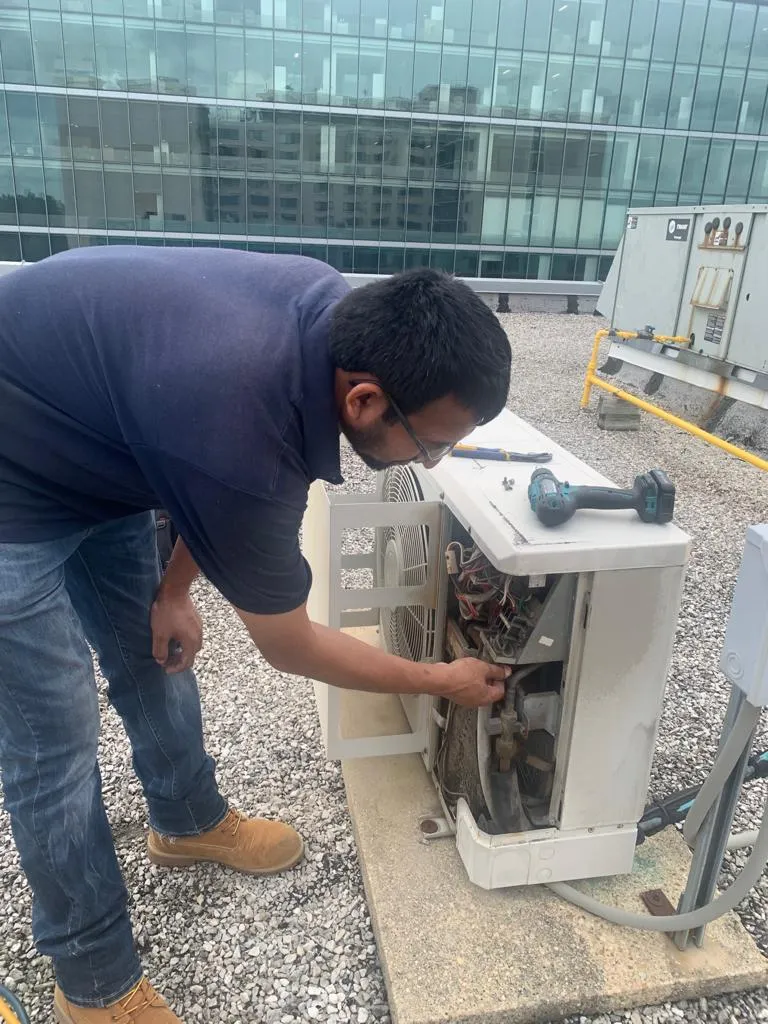
Identifying the signs that indicate an HVAC system needs replacement is essential for homeowners. Here are some key indicators to consider:
- Age of the System: Most HVAC systems have a lifespan of 15-20 years. If your system is approaching or exceeding this age, it may be time to consider a replacement.
- Rising Energy Bills: If you notice a significant increase in your energy bills without a corresponding change in usage, it could indicate that your HVAC system is losing efficiency and may need replacement.
- Frequent Repairs: If you find yourself calling for repairs multiple times a year, it may be more cost-effective to replace the system rather than continue to invest in repairs.
AVS Heating and Air Conditioning specializes in HVAC system repair and installation, providing comprehensive solutions for homeowners facing these signs of inefficiency.
Factors Affecting Reliability and Efficiency
Several factors influence the reliability and efficiency of HVAC systems. Understanding these can help you make informed decisions about maintenance and replacement.
Considering the complex interplay of these factors, a deeper understanding of system selection, reliability, and life cycle costs is crucial for optimal HVAC performance.
HVAC System Selection: Reliability & Life Cycle Cost Factors
In addition, reliability and Life Cycle Cost of the systems, factors that should be taken into account in the decision-making process, are discussed. The paper also reviews the performance of air distribution systems, that is, heating and cooling coils, preheat and reheat coils, humidifiers, and fans.
Decision-making on HVAC&R systems selection: a critical review, M Shahrestani, 2018
- Regular Maintenance Importance: Regular maintenance can extend the life of your HVAC system. Neglecting maintenance can lead to decreased efficiency and reliability.
- Installation Quality Impact: Proper installation is crucial for optimal performance. Poor installation can lead to issues that may necessitate early replacement.
- Environmental Factors: External factors such as climate and location can affect the lifespan and efficiency of your HVAC system.
Licensed technicians from AVS Heating and Air Conditioning can provide the necessary maintenance and installation services to ensure your system operates efficiently.
What Is the Typical Lifespan of an HVAC System and When Should You Consider Replacement?
The typical lifespan of an HVAC system ranges from 15 to 20 years. As systems age, they may become less efficient, leading to higher energy costs and decreased comfort. Homeowners should consider replacement when:
- The system is over 15 years old and showing signs of inefficiency.
- Repairs become frequent and costly, often exceeding 50% of the cost of a new system.
- The system uses outdated refrigerants, such as R-22, which are being phased out due to environmental regulations.
Understanding these factors can help you make a timely decision about replacing your HVAC system.
Common Problems Indicating Replacement
Several common issues can indicate that it may be time to replace your HVAC system:
- Inconsistent Heating/Cooling: If certain areas of your home are consistently too hot or too cold, it may signal that your HVAC system is failing.
- Loud Noises: Unusual sounds, such as banging or grinding, can indicate serious problems that may warrant replacement.
- Use of R-22 Refrigerant: If your system uses R-22 refrigerant, it may be more cost-effective to replace it with a newer, more efficient model.
The ongoing phase-out of certain refrigerants, like R-22, further underscores the importance of considering replacement for older HVAC systems.
R-22 Refrigerant Phase-Out: Why Your Old HVAC Needs Replacement
R-22 (also known as HCFC-22) is one of the most widely used refrigerants in U.S. Army air-conditioning and refrigeration (AC and R) systems since the phase-out of R-12 refrigerant in 1995. The need to phase out R-22 is attributed to its global warming potential and high ozone-depleting capability. The U.S. Army has tens of thousands of aging AC and R systems that will remain dependent on R-22, or one of the recently developed substitutes for R-22, until they reach the end of their operational life.
Army R-22 refrigerant phase-out strategy, 2021
These problems can significantly impact your comfort and energy efficiency, making it essential to address them promptly.
Repair Costs vs Replacement Costs
When considering whether to repair or replace your HVAC system, it’s important to analyze the costs involved. Here are some factors to consider:
- Cost Analysis of Repairs: Frequent repairs can add up quickly. If repair costs exceed 50% of the price of a new system, replacement may be the better option.
- When to Consider Replacement: If your system is over 15 years old and requires significant repairs, it may be more economical to invest in a new system.
- Long-Term Savings: A new, energy-efficient HVAC system can lead to significant savings on energy bills, making it a worthwhile investment in the long run.
AVS Heating and Air Conditioning can provide detailed cost analyses to help you make the best decision for your home.
Long-Term Benefits of Investing in a New HVAC System
Investing in a new HVAC system offers several long-term benefits:
- Energy Efficiency Improvements: New systems are designed to be more energy-efficient, which can lead to lower utility bills.
- Cost Savings on Repairs: A new system typically requires fewer repairs, saving you money in the long run.
- Enhanced Comfort: Modern HVAC systems provide better temperature control and air quality, enhancing your overall comfort at home.
These benefits make replacing an old HVAC system a smart choice for homeowners looking to improve their living environment.
How Licensed Technicians Can Help You Decide
Licensed technicians play a crucial role in assessing your HVAC system’s condition and helping you make informed decisions. They can:
The process of choosing the optimal HVAC system often involves a structured decision-making approach, where expert assessment is invaluable.
Choosing the Best HVAC System: A Decision-Making Guide
Throughout the comparison process, Decision makers rely on their assessments of the potential value of the various factors. The problem is identified, and the degree of expertise required to solve it is determined.
Modeling, implementing and evaluation a decision support system used for choosing the best HVAC system in the buildings, case study in
Iraq, AS Ahmed, 2024
- Assessment of System Condition: Technicians can evaluate your system’s performance and identify any issues that may require attention.
- Cost Analysis: They can provide a detailed analysis of repair versus replacement costs, helping you understand your options.
- Recommendations for Replacement: Based on their assessment, technicians can recommend the best course of action, whether it be repairs or a new system installation.
AVS Heating and Air Conditioning employs licensed technicians who are experienced in evaluating HVAC systems and providing reliable recommendations for homeowners.
Considering a new furnace installation can significantly improve your home’s heating efficiency. For more information on how to prepare, visit AVS Heating and Air Conditioning.