
 VA 703-457-9028
 Apply for Financing
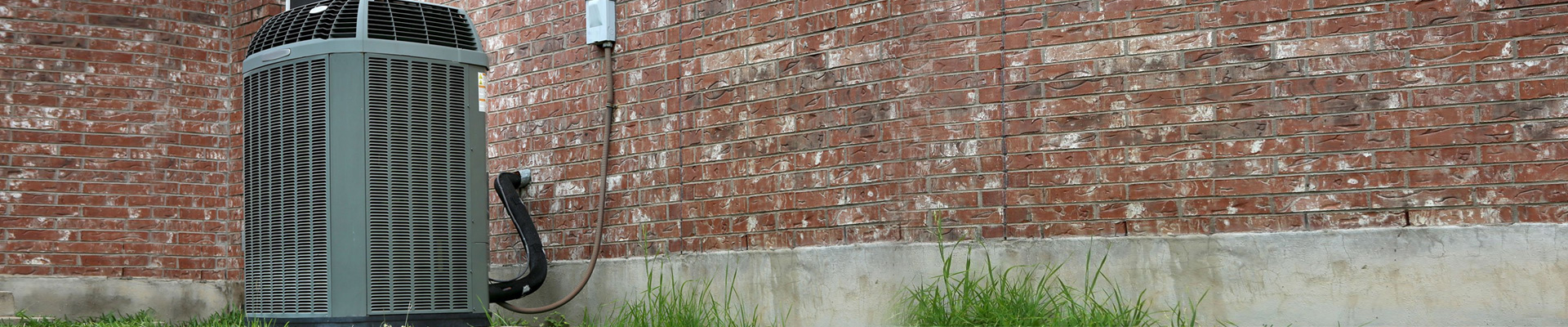
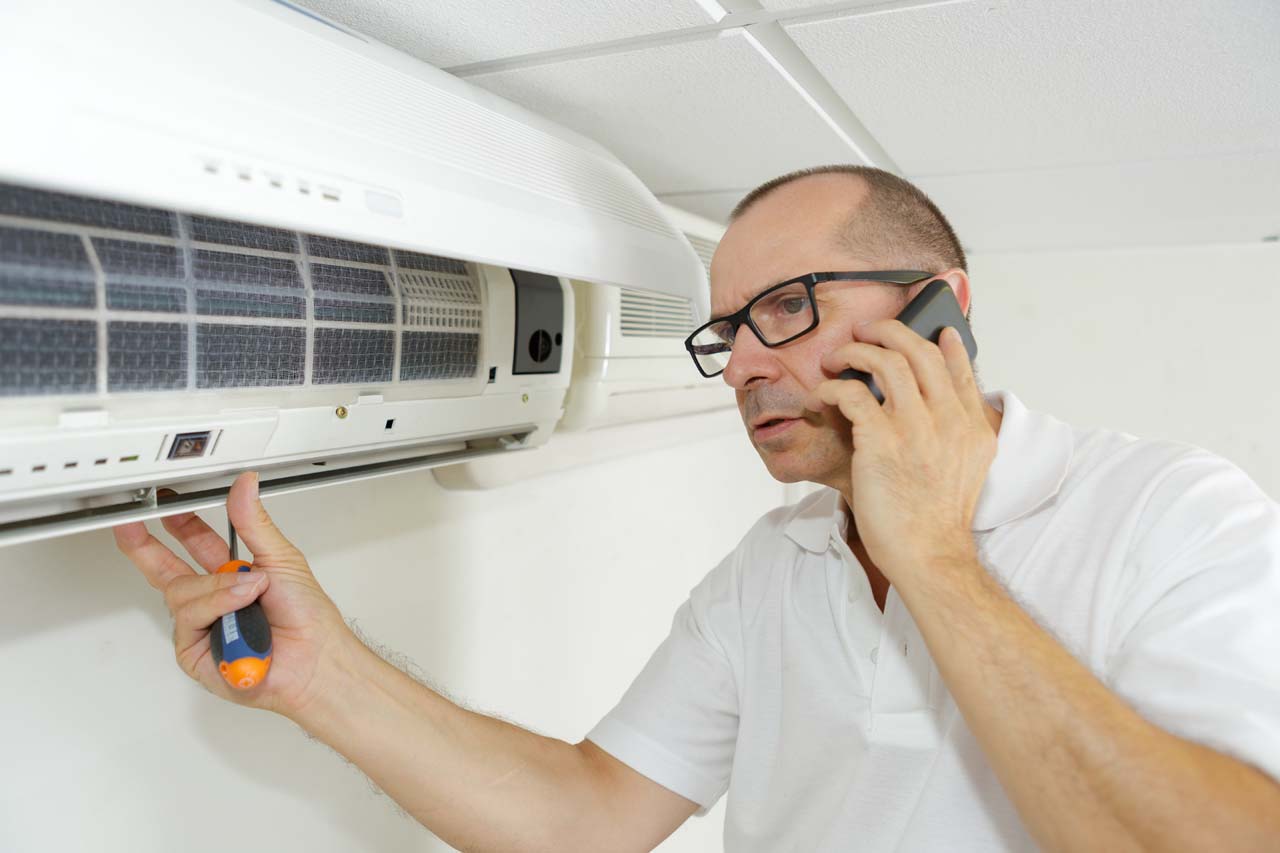
For a business owner or facility manager, an air conditioning breakdown is never just an inconvenience, it’s lost productivity, unhappy tenants, and in many cases, a direct hit to revenue. At AVS Heating and Air Conditioning, we’ve spent over 30 years working with commercial properties throughout Fairfax, and one truth holds consistently across every property type we service: the businesses that invest in regular maintenance almost never end up facing the same emergency repair bills as those that wait for something to break. Understanding how preventative care actually reduces the need for Commercial Air Conditioning Repair in Fairfax can save property owners significant money over the life of their equipment.
Why Commercial Systems Fail Faster Without Maintenance
Commercial HVAC systems work under a different kind of strain than residential units. They run longer hours, often nonstop during business operations, and typically serve larger, more complex spaces with multiple zones, rooftop units, and ductwork networks. Without scheduled inspections, small issues that would otherwise be caught early are left to compound, turning a simple adjustment into a major mechanical failure.
A commercial condenser that’s been quietly losing refrigerant for months, for example, forces its compressor to work harder just to keep up with cooling demand. Left unaddressed, that added strain eventually leads to compressor failure, one of the most expensive components to replace in any commercial system. What could have been a minor refrigerant top off during a routine maintenance visit turns into a five figure repair, or worse, a full system replacement.
The Hidden Cost of Reactive Repairs
Businesses that only call for service once something has already failed tend to pay more in three distinct ways. First, emergency repairs almost always cost more than scheduled maintenance visits, since technicians are troubleshooting under pressure rather than addressing an issue proactively. Second, the equipment itself has usually sustained additional wear by the time the failure becomes obvious, meaning the repair often involves more components than it would have if caught earlier. Third, and often most costly, is the downtime itself, whether that means a retail space without functioning air conditioning during peak summer foot traffic or an office building where employee comfort and productivity take a direct hit.
How Preventative Maintenance Changes the Equation
Scheduled maintenance visits are built around catching these issues while they’re still small and inexpensive to address. A technician checking refrigerant levels, electrical connections, belt tension, and airflow on a quarterly or biannual basis is able to identify a weakening component well before it causes a full breakdown. This is the core reason preventative maintenance consistently reduces the frequency and severity of Commercial Air Conditioning Repair calls for the properties that commit to it.
What a Proper Commercial Maintenance Visit Actually Covers
Not all maintenance visits are created equal, and a thorough inspection covers considerably more ground than a quick filter change. Understanding what should be included helps property managers evaluate whether their current maintenance provider is actually protecting their equipment or simply checking a box.
Refrigerant Levels and Electrical Component Checks
A proper visit includes verifying refrigerant charge against manufacturer specifications, since both overcharged and undercharged systems place unnecessary strain on the compressor. Technicians should also inspect electrical connections, capacitors, and contactors, all of which degrade with continuous commercial use and are common points of failure if left unchecked.
Coil Cleaning and Airflow Verification
Dirty condenser and evaporator coils are one of the most common, and most preventable, causes of reduced efficiency in commercial systems. Built-up dirt and debris insulate the coils, forcing the system to run longer to achieve the same cooling result. Regular coil cleaning as part of a maintenance visit keeps the system operating at its intended efficiency and reduces the wear that leads to premature Commercial Air Conditioning Repair needs.
Ductwork and Zoning Inspection for Larger Properties
Commercial buildings with multiple zones or extensive ductwork networks benefit from periodic inspections of duct seals, dampers, and airflow balance. Leaky or poorly balanced ductwork forces the system to work harder in certain zones while others are overcooled, driving up energy costs and shortening the equipment’s usable life across the building.
Building a Maintenance Schedule That Actually Protects Your Equipment
Every commercial property has different cooling demands based on its size, usage hours, and equipment age, which means a one size fits all maintenance schedule rarely serves a business well. A restaurant running commercial refrigeration and HVAC systems nearly around the clock has very different needs than a professional office building operating standard business hours.
Matching Maintenance Frequency to Usage Patterns
Properties with heavier equipment usage, extended operating hours, or older systems typically benefit from quarterly maintenance visits, while lighter use properties with newer equipment may be well served by a biannual schedule. The goal is consistency, since gaps in maintenance are exactly where small issues are most likely to go unnoticed until they become expensive Commercial Air Conditioning Repair situations.
Working With a Provider Who Understands Commercial Equipment
Commercial HVAC systems, particularly rooftop units and larger zoned systems, require a different level of expertise than typical residential equipment. Working with a provider experienced specifically in commercial applications ensures that maintenance visits actually address the components most likely to fail under commercial-grade use, rather than following a residential-style checklist that misses critical details.
The Long-Term Financial Case for Preventative Maintenance
When property owners weigh the cost of a maintenance contract against the potential cost of emergency repairs and premature equipment replacement, the numbers consistently favor preventative care. A well maintained commercial system not only requires fewer Commercial Air Conditioning Repair visits over its lifespan, it also tends to run more efficiently, translating directly into lower monthly utility costs across the life of the equipment.
There’s also the matter of predictability. Businesses budgeting for facility costs benefit enormously from knowing maintenance expenses in advance, rather than being blindsided by an emergency repair bill during a heat wave, when technician availability is tightest and demand for service is at its peak.
Fairfax businesses that have shifted toward scheduled maintenance consistently report fewer disruptions, more predictable operating costs, and equipment that reaches or exceeds its expected lifespan. It’s a straightforward trade: a modest, predictable investment now in exchange for avoiding the far larger, far less predictable costs of reactive repairs and premature system replacement later.
If your commercial property hasn’t had a maintenance inspection recently, or if you’re tired of unexpected breakdowns interrupting business operations, it’s worth having a qualified technician evaluate your current system before the next major issue arises. At AVS Heating and Air Conditioning, our commercial HVAC team has spent decades helping Fairfax businesses stay ahead of costly breakdowns with maintenance plans built around each property’s specific equipment and usage patterns. Call us at 703-457-9028 to schedule a commercial maintenance assessment and start protecting your equipment, your budget, and your business operations today.
