VA 703-457-9028
 Apply for Financing

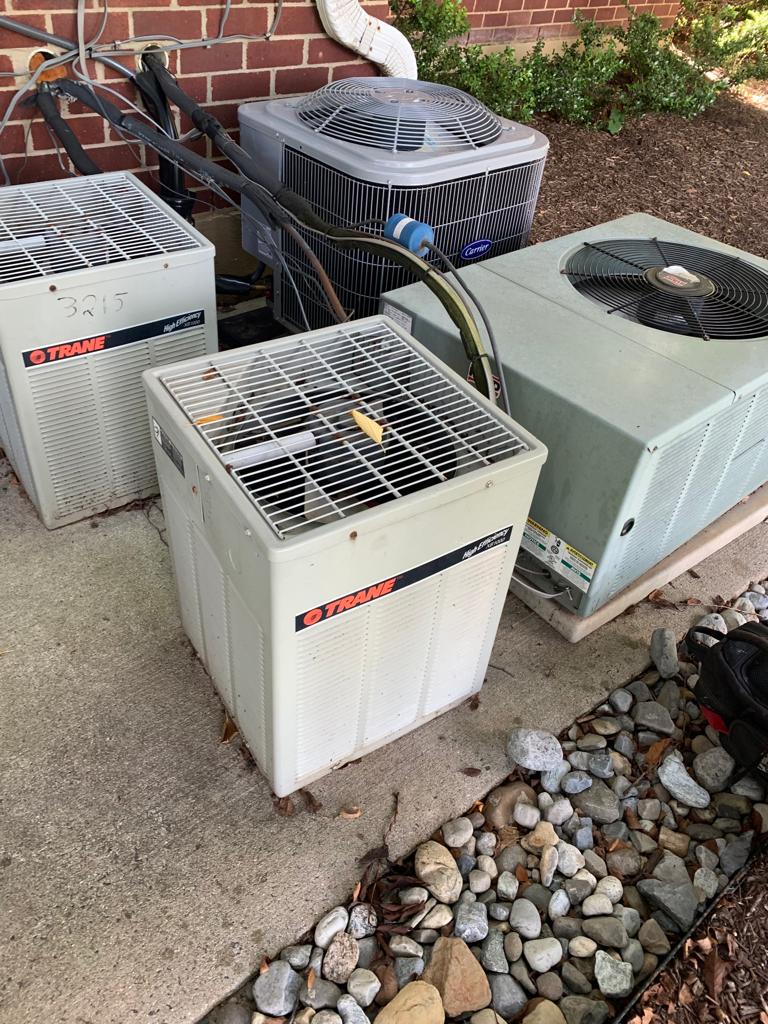
Heat pumps are revolutionizing how Americans heat and cool their homes, with installations jumping in 2025 alone. Homeowners, contractors, and property developers are discovering that modern heat pump technology delivers serious heat pump cost savings while outperforming traditional furnaces and air conditioners.
This guide breaks down why energy efficient heat pumps are becoming the go-to choice for smart homeowners. We’ll explore the impressive heat pump energy efficiency that cuts utility bills in half, dive into the latest technological advances making heat pump reliability rock-solid, and examine the superior heat pump performance that works even in harsh winters.
You’ll see exactly how heat pump advantages stack up against heating systems and why the upfront investment pays off fast through long-term savings and comfort.
Energy Efficiency Advantages of Heat Pumps
Lower electricity consumption compared to electric heating
Energy efficient heat pumps deliver remarkable electricity savings by moving heat rather than generating it. Unlike traditional electric heaters that convert every unit of electricity into heat, heat pumps extract ambient energy from outdoor air, ground, or water sources. This fundamental difference means they can produce three to four times more heating energy than the electricity they consume, dramatically reducing monthly utility bills.
Reduced energy waste through smart temperature control
Heat pump performance benefits from advanced inverter technology that automatically adjusts compressor speed based on heating demands. Smart thermostats and zoning systems work seamlessly with heat pumps to eliminate energy waste from overheating unused spaces. Variable-speed compressors maintain consistent temperatures without the frequent on-off cycling that wastes energy in conventional systems, while built-in sensors optimize operation based on outdoor conditions and indoor comfort needs.
Cost Savings That Drive Consumer Adoption
Significant reduction in monthly utility bills
Modern heat pump technology delivers impressive heat pump cost savings that catch homeowners’ attention immediately. These energy efficient heat pumps can slash heating and cooling bills by 30-50% compared to traditional systems like oil furnaces or electric baseboard heaters. The secret lies in their ability to move heat rather than generate it, making them up to three times more efficient than conventional heating methods.
Lower maintenance costs over system lifetime
Compared to combustion-based systems, heat pumps require far less ongoing maintenance, saving homeowners time and money. No annual cleanings, filter changes, or fuel deliveries mean lower ongoing expenses. Most units need only basic seasonal tune-ups, and their simpler design with fewer moving parts reduces repair frequency and costs over their 15-20 year lifespan.
Environmental Benefits Attracting Eco-Conscious Homeowners
Dramatically reduced carbon footprint
Compared to traditional gas furnaces, heat pumps can lower greenhouse gas emissions by as much as 75%. These energy efficient heat pumps work by moving existing heat rather than burning fossil fuels, creating a cleaner heating solution for environmentally conscious homeowners.
Elimination of fossil fuel combustion on-site
Unlike gas boilers or oil furnaces, heat pumps don’t burn anything in your home. This eliminates direct carbon emissions, improves indoor air quality, and reduces dependency on volatile fossil fuel markets while delivering consistent heat pump performance year-round.
Support for renewable energy integration
| Renewable Source | Heat Pump Compatibility | Environmental Impact |
|---|---|---|
| Solar panels | Excellent | Zero-emission heating |
| Wind energy | Perfect match | Clean electricity use |
| Hydroelectric | Seamless integration | Sustainable operations |
Heat pumps pair perfectly with solar panels and other renewable energy sources. When powered by clean electricity, they create completely carbon-neutral heating systems that support grid stability and energy independence.
Superior Performance in Modern Home Applications
Consistent heating throughout all seasons
Modern heat pump technology delivers steady comfort regardless of outdoor temperatures, making dramatic performance improvements over older heating systems. Today’s energy efficient heat pumps maintain consistent indoor temperatures even when external conditions drop below freezing, eliminating the hot and cold spots that plague traditional furnaces.
Dual heating and cooling functionality
Heat pump performance shines through its versatility, providing both heating and cooling from a single system. This dual capability eliminates the need for separate heating and cooling equipment, streamlining home comfort while reducing installation complexity and maintenance requirements for homeowners.
Better humidity control for improved comfort
Heat pump advantages include superior moisture management that keeps indoor air comfortable year-round. These systems naturally regulate humidity levels during both heating and cooling cycles, preventing the dry air issues common with forced-air furnaces and maintaining optimal comfort without additional humidification equipment.
Technological Advances Making Heat Pumps More Reliable
Cold Climate Performance Improvements
Modern heat pump technology has conquered winter’s biggest challenge through advanced refrigerants and variable-speed compressors. These energy efficient heat pumps now maintain optimal performance at temperatures as low as -15°F, making them viable alternatives to traditional heating systems in harsh climates. Cold climate heat pumps feature enhanced defrost cycles and improved heat exchangers that extract maximum warmth from frigid air.
Smart Home Integration Capabilities
Today’s heat pump systems seamlessly connect with smart thermostats, Wi-Fi controls, and home automation platforms. This integration allows remote monitoring, predictive maintenance alerts, and automated temperature adjustments based on occupancy patterns. Smart controls optimize energy consumption while maintaining comfort, contributing to significant heat pump cost savings over time.
Enhanced Durability and Longer Lifespan
Advanced materials and precision engineering have dramatically improved heat pump reliability. Modern units feature corrosion-resistant coatings, upgraded electrical components, and robust outdoor units designed to withstand extreme weather conditions. These improvements extend equipment lifespan to 15-20 years while reducing maintenance requirements.
Simplified Installation Processes
Installation innovations have streamlined heat pump setup through pre-charged line sets, quick-connect fittings, and modular designs. Professional installers can complete residential installations faster with fewer specialized tools, reducing labor costs and installation time. Improved mounting systems and standardized connections make modern heat pump technology more accessible for diverse home configurations.
Frequently Asked Questions
What is a heat pump?
A heat pump is a highly versatile heating and cooling system that works by moving heat from one place to another rather than creating heat through combustion. During winter, it extracts heat from outside air (even when it’s cold) and pumps it inside your home. During summer, it reverses the process, removing heat from your indoor air and releasing it outside, effectively cooling your home.
The magic happens through a refrigeration cycle that uses a special fluid called refrigerant. This fluid changes from liquid to gas and back again as it circulates through the system. Even when outdoor temperatures drop to freezing, there’s still heat energy present that modern heat pump technology can capture and amplify for your home.
How much does a heat pump cost?
The initial investment for energy efficient heat pumps varies significantly based on system type, size, and installation complexity. Air-source heat pumps typically range from $4,000 to $8,000 for equipment and installation in an average-sized home. Ground-source (geothermal) systems cost more upfront, usually between $15,000 and $25,000, but offer superior efficiency and longevity.
When calculating total ownership costs, factor in maintenance expenses (typically lower than combustion systems), lifespan (15-20 years for air-source, 20-25 years for geothermal), and energy savings over time. The payback period usually ranges from 5-10 years, making them financially attractive long-term investments.
How does a heat pump work?
Heat pumps operate on the principle of heat transfer using a refrigeration cycle with four main components: evaporator, compressor, condenser, and expansion valve. The process begins when liquid refrigerant in the evaporator coil absorbs heat from outside air and vaporizes. This vapor then travels to the compressor, which pressurizes it, raising its temperature significantly.
The hot, pressurized vapor moves to the condenser coil inside your home, where it releases heat to warm your indoor air before condensing back to liquid form. After passing through the expansion valve, the high-pressure liquid experiences a controlled reduction in pressure and temperature before re-entering the evaporator.
Modern heat pump performance relies on advanced refrigerants and variable-speed technology that adjusts output based on demand. Inverter-driven compressors can ramp up or down smoothly, maintaining consistent temperatures while maximizing heat pump energy efficiency. Smart controls monitor outdoor conditions and automatically optimize operation for peak performance.
How is a heat pump different from a traditional furnace or boiler?
The fundamental difference lies in heat generation versus heat transfer. Traditional furnaces and boilers create heat by burning fuel (gas, oil, or propane) or using electric resistance heating elements. In this process, energy is directly converted into heat, with typical efficiency ratings ranging from 80% to 95%.
Heat pumps don’t generate heat; they move existing heat from outside to inside, making them incredibly efficient. For every unit of electricity consumed, quality heat pumps can deliver 2-4 units of heating energy. This superior heat pump energy efficiency translates to substantial utility savings. Heat pumps also provide both heating and cooling in one system, eliminating the need for separate air conditioning equipment. They operate more quietly than gas furnaces and require less maintenance since they don’t involve combustion components.
Can heat pumps work in cold climates?
Absolutely! Modern heat pump technology has evolved dramatically to handle harsh winter conditions. Cold-climate heat pumps maintain their heat pump reliability and efficiency even when temperatures drop to -15°F or lower. Advanced models use enhanced refrigerants, larger outdoor coils, and sophisticated defrost controls to extract heat from frigid air.
The key lies in understanding that “cold” air still contains usable heat energy. Even at 0°F, air holds substantial thermal energy that today’s heat pump advantages include capturing effectively. Variable-speed compressors adjust their operation to match heating demands while maintaining efficiency.
Installation considerations for cold climates include proper sizing, adequate insulation, and strategic outdoor unit placement. Professional assessment ensures optimal system selection and performance year-round.
Conclusion
Heat pumps have clearly emerged as the smart choice for modern heating needs. They deliver impressive energy savings, slash monthly utility bills, and help homeowners reduce their carbon footprint without sacrificing comfort. The technology has come a long way, offering reliable performance even in extreme weather conditions while seamlessly integrating with today’s home automation systems.
If you’re thinking about upgrading your heating system, heat pumps deserve serious consideration. The combination of lower operating costs, environmental benefits, and improved reliability makes them a solid investment for the long term. Talk to a qualified HVAC professional about whether a heat pump system would work for your home – you might be surprised at how much you could save while staying perfectly comfortable year-round.
At AVS Heating & Air Conditioning, we specialize in designing, installing, and maintaining high-performance heat pump systems tailored to your home, climate, and comfort goals. Our certified HVAC professionals stay up to date with the latest heat pump technology to ensure maximum efficiency, reliability, and long-term savings. Whether you’re replacing an outdated furnace or exploring energy-efficient heating options for the first time, AVS provides expert guidance, transparent pricing, and dependable service from start to finish. Contact AVS Heating & Air Conditioning today to schedule a consultation and discover how a modern heat pump can transform your home’s comfort while lowering your energy costs for years to come.