VA 703-457-9028
 Apply for Financing
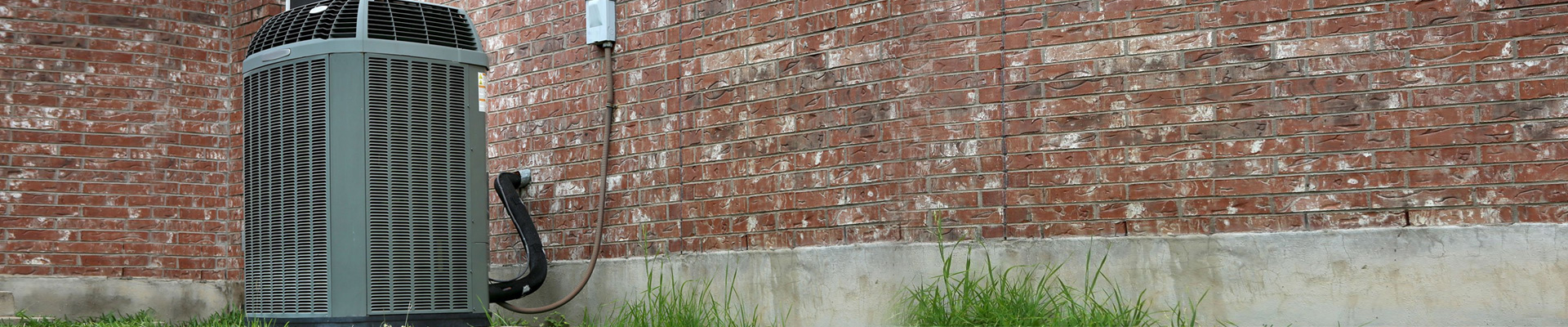
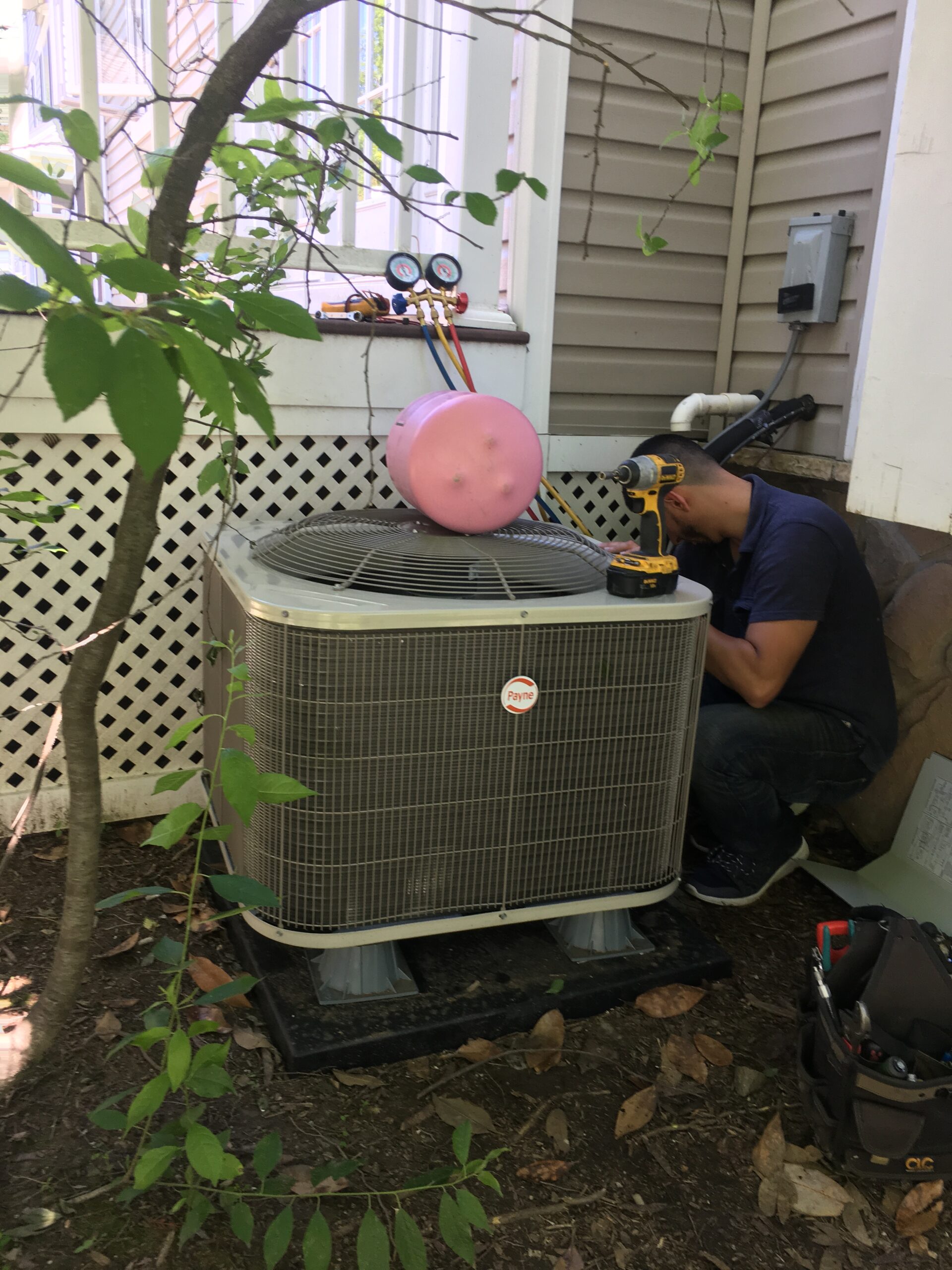
Winter HVAC survival means keeping your home warm, safe, and energy-efficient by maintaining critical systems like water heaters, furnaces, and heat pumps before cold weather causes unexpected breakdowns. Proper preparation helps prevent emergency repairs, rising energy bills, and comfort disruptions during the coldest months.
What Does “Winter HVAC Survival” Mean?
Winter HVAC survival refers to preparing and maintaining your home’s heating systems so they perform reliably throughout winter. Cold temperatures put extra strain on HVAC equipment, increasing the risk of failures if systems are not properly inspected and serviced.
A well-maintained HVAC system ensures:
- Consistent indoor warmth
- Reliable hot water
- Lower energy consumption
- Fewer emergency repairs
Why Winter Is Hard on HVAC Systems
Winter conditions force heating systems to work longer and harder. Even minor issues that go unnoticed during warmer months can quickly turn into major failures.
Common winter stress factors include:
- Increased run time for heating systems
- Frozen or poorly insulated pipes
- Sediment buildup in water heaters
- Reduced heat pump efficiency in extreme cold
Preparing early is the best way to avoid mid-winter breakdowns.
How to Prepare Your Water Heater for Winter
Your water heater works year-round, but winter places additional demand on it due to colder incoming water temperatures.
Signs Your Water Heater Needs Attention
- Inconsistent hot water
- Unusual popping or rumbling noises
- Discolored or rusty water
- Rising utility bills
Ignoring these warning signs can result in sudden failure when you need hot water the most.
Water Heater Installation and Upgrades
Older systems may struggle to meet winter demand efficiently. Professional Water Heater Installation Bethesda services help homeowners upgrade to energy-efficient models that perform reliably during cold months.
Benefits of proper installation include:
- Faster hot water recovery
- Lower energy usage
- Reduced risk of leaks or freezing
- Improved system lifespan
Furnace Maintenance: Your Winter Workhorse
Furnaces are the backbone of winter comfort. Without proper maintenance, efficiency drops and safety risks increase.
Essential Furnace Winter Checklist
- Replace or clean air filters
- Inspect burners and heat exchangers
- Test thermostat accuracy
- Check airflow and duct sealing
A professional inspection ensures your furnace operates safely and efficiently throughout winter.
Heat Pumps in Winter: What Homeowners Should Know
Heat pumps are increasingly popular due to their energy efficiency, but they require proper setup to perform well in winter.
How Heat Pumps Handle Cold Weather
Modern heat pumps are designed to extract heat from cold outdoor air. However, efficiency depends on correct installation, system sizing, and regular maintenance.
Tips for Winter Heat Pump Performance
- Keep outdoor units clear of snow and debris
- Ensure defrost cycles are functioning correctly
- Schedule seasonal inspections
- Seal air leaks around doors and windows
- Proper maintenance ensures your heat pump remains a dependable heating solution even in colder conditions.
Repair vs. Replacement: Making the Right Winter Decision
One of the most common homeowner questions is whether to repair or replace HVAC equipment during winter.
When Repair Makes Sense
- System is under 10 years old
- Repair cost is minimal
- Efficiency is still acceptable
When Replacement Is Smarter
- Frequent breakdowns
- Rising energy bills
- System age exceeds manufacturer lifespan
- Safety concerns
A professional evaluation helps determine the most cost-effective and reliable option for winter comfort.
How Local HVAC Repair Helps Prevent Winter Emergencies
Routine maintenance and early repairs significantly reduce the risk of system failure during peak winter demand. Trusted Local HVAC Repair Bethesda services provide inspections that identify small issues before they escalate.
Preventive HVAC repair benefits include:
- Fewer emergency service calls
- Improved system efficiency
- Enhanced indoor comfort
- Lower long-term repair costs
Local technicians understand regional climate challenges and tailor solutions accordingly.
Frequently Asked Questions
How often should HVAC systems be serviced before winter?
HVAC systems should be inspected at least once a year, ideally in early fall, to ensure readiness for winter use.
Can water heaters freeze during winter?
Yes. Poorly insulated pipes and tanks are at risk during extreme cold, especially in basements or garages.
Are heat pumps reliable in cold climates?
Modern heat pumps perform well in cold climates when properly installed and maintained.
Is winter a bad time to replace HVAC equipment?
No. While winter replacements may require temporary solutions, upgrading during this season can prevent repeated repair costs.
Winter HVAC Maintenance Tips for Homeowners
- Schedule professional inspections before peak winter
- Keep vents and registers unobstructed
- Monitor unusual noises or performance changes
- Maintain consistent thermostat settings
- Insulate exposed pipes and ductwork
Small proactive steps make a big difference in winter reliability.
Final Thoughts: Stay Ahead of Winter HVAC Problems
Winter HVAC survival is about preparation, not reaction. Maintaining water heaters, furnaces, and heat pumps ensures comfort, safety, and efficiency when temperatures drop. Addressing minor issues early prevents unexpected breakdowns and costly emergency repairs.
For homeowners seeking reliable heating solutions, professional service and expert installation provide peace of mind throughout the winter season. Trusted professionals like AVS Heating and Air Conditioning help ensure your home stays warm, efficient, and worry-free when it matters most.