
 VA 703-457-9028
 Apply for Financing

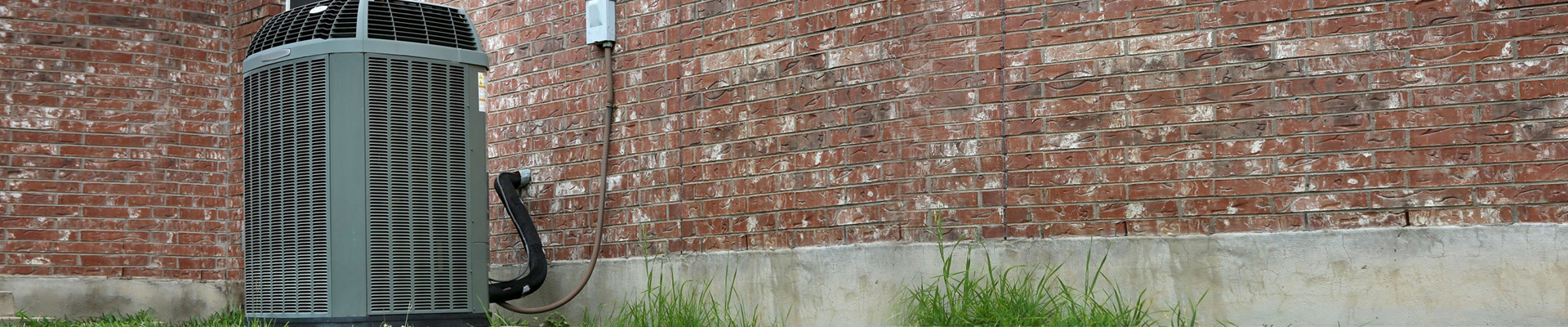

Central air costs more up front but cools every room, handles humidity better and lasts about 15 years, while a window AC lasts about 8 to 10 years and cools one room (Trane). A window unit runs about $150 to $800 on AVS’s earlier cost figures. In Northern Virginia, AVS’s 2026 cost guide puts central air conditioning installation at $4,350 to $5,910 when your ducts are in good shape, and new ducts add about $2,500 to $10,000. To price central air for your house, call Virginia 703-457-9028 or Maryland 301-686-7129.
Dollar figures below come from AVS’s cost guides and describe typical jobs, not a firm price for your home. Written by the AVS Heating and Air Conditioning team. Virginia HVAC license 2705039269A, Maryland HVAC license 520714137895.
Window AC vs Central Air: How They Compare
Most homeowners comparing a window AC vs central air are really comparing one room against the whole house. This table puts the main differences side by side.
| Window AC | Central air | |
| Upfront cost | About $150 to $800 per unit | $4,350 to $5,910 installed (existing ducts) |
| What it cools | One room or open area, up to about 950 sq ft for the largest units | Every room on the duct system |
| Typical lifespan | About 8 to 10 years | About 15 years |
| Humidity control | Limited | Stronger, per Trane |
| Installation | Done by you in minutes | Licensed contractor, permit and inspection |
| Noise | Compressor sits in the room | Compressor sits outside |
Trane’s comparison lists the lifespan and coverage figures above, and says a 9,800 to 12,500 BTU window unit is built for up to about 950 square feet.
When a Window AC Is the Better Choice
A window unit is the right call more often than contractors admit. A window AC makes sense for one hot room, an apartment or rental, or a house you only cool a few weeks a year. It also fits a tight budget, since one unit costs a small fraction of a full system.
Central air starts to win when you need three or more rooms cooled, you run the units most of the summer, or you are tired of blocking windows and swapping units in and out each season.
Which Costs More to Run: Window AC or Central Air?
A single window unit draws less power than a central system. American Home Shield puts window units at about 500 to 1,440 watts, against 3,500 watts or more for central air. That comparison is misleading on its own, because the central system is cooling the entire house.
Compare cost per cooled square foot, not per machine. American Home Shield, citing U.S. Energy Information Administration data, says central air runs at about half the cost per square foot of window units. Your result depends on the equipment’s efficiency rating, your thermostat habits and the condition of your ducts.
Leaky ducts erode the savings. Rewiring America notes that duct losses commonly run 20 to 30 percent, which is why a duct inspection belongs in every central air quote.
How Many Window Units Does It Take to Cool a House?
PickHVAC estimates that a typical home needs three to five window units to cool the main living areas. At AVS’s earlier $150 to $800 per unit, that is roughly $450 to $4,000 in equipment, and you will replace them on a cycle of about 8 to 10 years (Trane).
Add the cost of the windows you can no longer open, the units you lift in and out each season and the rooms that still stay warm. For a house with several bedrooms, the gap between window units and a central system narrows quickly.
Comfort, Humidity and Noise
Even cooling is the main reason homeowners switch. A window unit cools the room it sits in, and the rest of the house depends on how far the air travels. Central air moves cooled air through ducts to each room, so bedrooms and hallways stay closer to the same temperature.
Humidity control is where Trane says central air does a better job than window units, and in a humid Northern Virginia summer, a cooler room that still feels damp is not much comfort.
Noise moves outdoors with a central system. The compressor sits beside the house, so the bedroom stops sounding like a running appliance.
What Does Central Air Cost in Northern Virginia?
AVS’s 2026 cost guide puts a central air conditioner installation at $4,350 to $5,910 when the existing ductwork can be reused. The final number moves with the size of your home, the efficiency rating and the access to your attic or basement.
Add-ons to budget for: a new thermostat runs about $329 to $567 in our guide, and permits run about $400 to $1,500. Ask for each line item on the estimate so you can compare it to other quotes.
You can see how the pieces fit together on our AC installation page, where we explain the process from the first visit to the final walkthrough.
Can You Switch to Central Air Without Ductwork?
Yes, but ducts are the biggest cost swing. New ductwork adds about $2,500 to $10,000 on AVS’s cost guide, which depends on the layout of the house and where the ducts can run.
If running ducts is not practical, a ductless system is the alternative. AVS prices ductless HVAC at about $3,300 to $6,500 in our guide, and it cools without ducts. Our ductless air conditioning installation page covers that option, and our guide on mini-split vs window AC explains how it differs from a window unit.
How Long Does It Take to Install Central Air, and Do You Need a Permit?
On AVS’s AC installation page, most installations are completed within 24 hours of confirmation, though equipment, scope and permits affect the schedule. A first-time central air install can take longer if the job needs new ducts, electrical work or a new spot for the equipment.
A permit is part of the job. Under Fairfax County’s residential mechanical permit, new and replacement HVAC systems are covered, and the county recommends a licensed contractor apply for it. AVS’s installation page notes that Montgomery County requires mechanical permits for covered HVAC replacements. Ask any installer to confirm that the permit and inspection are in your quote.
The Hidden Costs of Living With Window Units
Security and light. A window with a unit in it stays closed and partly blocked, and it cannot be opened for fresh air.
Seasonal labor. Units go in each spring and come out each fall, and then they need somewhere to be stored.
Short life. At 8 to 10 years each (Trane), a house with four units means replacing something almost every other year.
Uneven comfort. The rooms without a unit are warmer, and the units have to run harder to compensate.
Townhomes, Condos and Older Homes
Townhomes and condos often have limited outdoor space, so the condenser’s location matters. Check your association’s rules before you pick a spot, and ask the installer to confirm the placement before the work is scheduled.
Older homes may have no ducts at all, or ducts sized only for heat. A technician checking the attic, basement and electrical panel at the start of the visit tells you what your house needs, and that check comes with a free estimate.
Is It Time to Switch? A Quick Checklist
You are likely ready for central air if most of these are true:
- You run window units in three or more rooms
- You cool the house for most of the summer
- Your units are near or past 8 to 10 years old
- You are tired of the seasonal install and blocked windows
- You plan to stay in the home for several more years
- Some rooms stay hot no matter how long a unit runs
How to Compare Central Air Quotes
Ask for a load calculation. Our installation page mentions Manual J sizing, which measures your house instead of guessing from square footage. Green Building Advisor warns that rules of thumb are unreliable for sizing.
Match model numbers and efficiency. Ask for the exact model, and check that the rating meets current federal minimums. The U.S. Department of Energy sets a SEER2 minimum of 14.3 for most split-system air conditioners under 45,000 BTU per hour in the Southeast region, which includes Virginia.
Check the license. Ours are listed at the top of this page.
Look for the permit and ductwork on the quote. A low total that leaves both out often costs more later.
Financing Your Central Air Upgrade
A full system is a bigger purchase than a stack of window units. Financing is available through AVS, and our team can walk you through the current offers when you request an estimate.
Central Air Installation From a Local Team Since 1991
AVS has been installing cooling systems for local households since 1991, working out of Fairfax, Falls Church and Bethesda. NATE-certified installers handle every central air job, and you can reach us at any hour, with evenings, weekends and holidays at no extra charge. To book a visit, contact AVS, or start from the AVS Heating and Air Conditioning home page.
Get a Free Central Air Estimate
Ready to price central air for your home? Call AVS and a technician will visit your Northern Virginia or Maryland home to check your ducts, electrical panel and where the outdoor unit would go.
Virginia: 703-457-9028. Maryland: 301-686-7129.
Frequently Asked Questions About Window AC vs Central Air
Can I add central air to my existing furnace and ductwork?
Often, yes. If your home already has ducts for heat, a technician can add an evaporator coil to the furnace and an outdoor condenser. PickHVAC lists what decides it: the coil needs room in the supply plenum and a proper drain, the furnace blower must move enough air for the new system, and undersized ducts or returns may need changes. The outdoor unit also needs its own circuit, and a panel with limited capacity may need an upgrade. A technician checks all of these at the free visit.
Can I put central air in a house with radiators or a boiler?
Yes, but the system needs its own air path because radiators and baseboard heat do not use ducts. The options are a full duct system, small-duct high-velocity tubing (about 2 inches wide, according to Plumbing & Mechanical magazine) that runs through walls and joists, or ductless units that need only a small opening for each indoor unit. Ductless is usually the least disruptive for older homes, and AVS’s guide puts it at about $3,300 to $6,500.
My central AC just died. Can window units keep me cool until it’s fixed?
Window units can cover a few bedrooms for a short time, but they cannot cool the whole house. Match each room to a unit’s size using the manufacturer’s coverage guide, and ask a technician about your circuits before plugging in several at once. The repair may also be worth a quote: call our AC repair team, and we can tell you whether to repair or replace the system.
Does a two-story house need one central AC or two?
Not always. American Standard Heating & Air Conditioning calls zoning, with a separate thermostat for each floor, the surest way to even out cooling between floors, and adds that it costs less to build in at construction than to retrofit later. A ductless unit upstairs is another option. A load calculation shows whether one properly sized, well-sealed system can do the job.
What do I do with my old window AC units once central air is in?
Do not leave them at the curb. The EPA says the final disposer of an appliance is responsible for recovering its refrigerant, and it suggests utility programs, municipal bulky-item collection or a retailer or recycler. Call your county’s public works office or the retailer before you remove them. The details are on the EPA’s appliance disposal page
Is a window heat pump worth it compared to a window AC or central air?
It depends on the job. A window heat pump plugs into an outlet like a window AC, but it also heats, and each unit serves one room at up to about 9,000 BTU, according to Good Good Good. Its heating output drops in very cold weather, and it still covers only one room. If you want every room covered, central air or a ductless system is the better comparison.
