VA 703-457-9028
 Apply for Financing
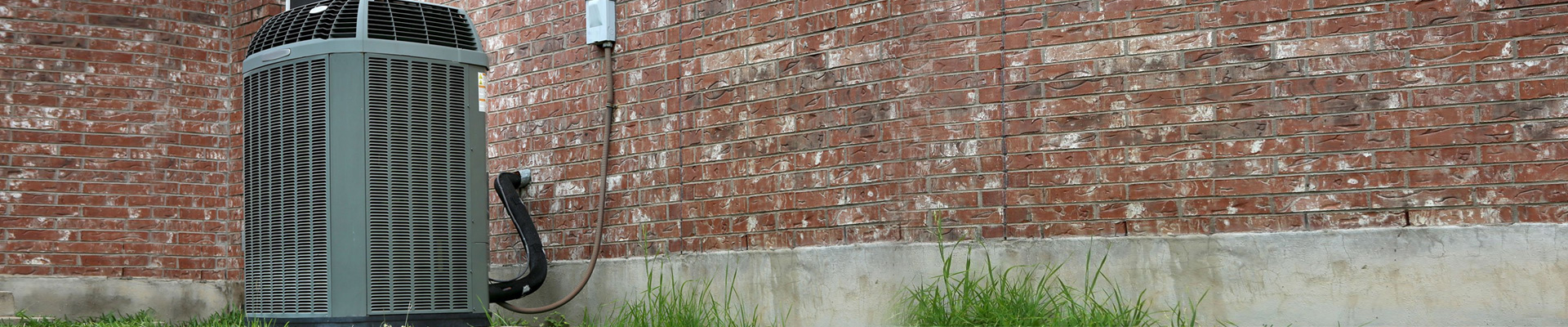
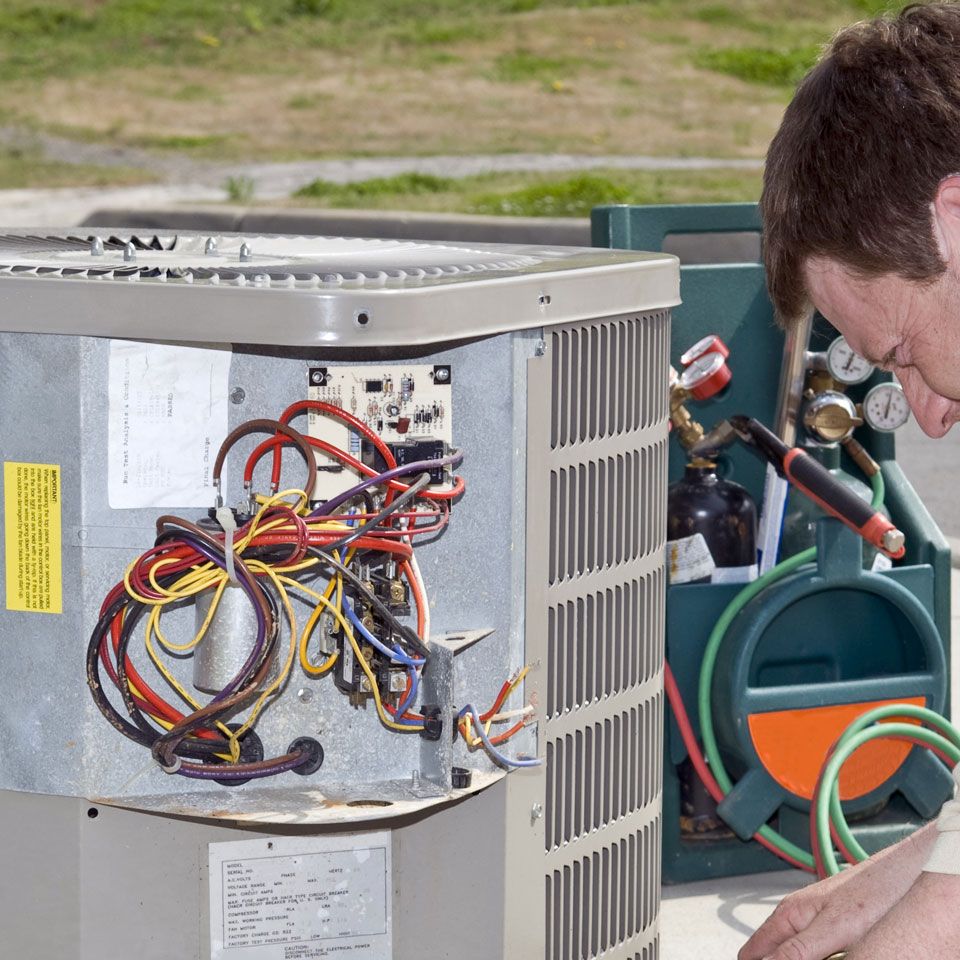
Weather plays a critical role in how efficiently a heat pump performs after installation, influencing heating output, energy consumption, and overall system lifespan. Understanding how different weather conditions affect heat pumps helps homeowners maintain comfort, prevent breakdowns, and know when professional service is needed.
What Is a Heat Pump and How Does It Work After Installation?
A heat pump is an energy-efficient HVAC system that transfers heat rather than generating it. After installation, it pulls heat from outdoor air during winter and releases heat outside during summer to cool your home.
Unlike furnaces that burn fuel, heat pumps rely on outdoor temperatures to operate efficiently. This makes weather conditions one of the most important factors in post-installation performance.
How Cold Weather Impacts Heat Pump Performance
Cold temperatures directly affect a heat pump’s ability to extract heat from the outdoor air.
Common Cold-Weather Effects
-
Reduced heating efficiency
-
Longer run times
-
Increased energy usage
-
More frequent defrost cycles
When temperatures drop significantly, the heat pump must work harder to maintain indoor comfort. If the system is improperly sized or poorly maintained, performance issues become more noticeable.
In extreme cold, supplemental heating systems or backup heat sources may activate to support the heat pump.
The Role of Defrost Cycles in Winter Weather
During cold and humid winter conditions, frost can build up on the outdoor heat pump unit. To prevent ice accumulation, the system enters a defrost cycle.
Why Defrost Cycles Matter
-
Temporarily reverses operation to melt ice
-
Prevents damage to the outdoor coil
-
Maintains airflow and efficiency
Excessive defrost cycles, however, may indicate airflow issues, refrigerant problems, or sensor malfunctions—all signs that professional inspection is needed.
How Mild and Moderate Weather Improves Efficiency
Heat pumps perform best in mild to moderately cold climates.
Benefits of Moderate Weather
-
Shorter run times
-
Lower energy consumption
-
Stable indoor temperatures
-
Reduced wear on system components
During fall and early winter, homeowners often notice peak efficiency and comfort levels. This is also the ideal time to schedule routine inspections to prepare for colder months.
Hot and Humid Weather Effects on Heat Pump Performance
Although heat pumps are known for heating efficiency, they also function as air conditioners during warm weather.
Summer Weather Challenges
- Increased humidity levels
- Longer cooling cycles
- Higher demand on compressors
- Proper airflow, clean filters, and well-maintained coils are essential for managing humidity and maintaining comfort during hot months.
How Weather Exposes Installation Issues
Weather changes often reveal installation-related problems that may not be noticeable immediately after setup.
Common Post-Installation Issues
-
Incorrect system sizing
-
Poor ductwork design
-
Inadequate insulation
-
Improper refrigerant charge
These issues can cause uneven heating, rising energy bills, and frequent system cycling. Early detection prevents costly repairs and long-term performance loss.
When Weather-Related Problems Require Professional Repair
Sudden temperature shifts can stress even well-installed systems. If performance declines, professional service becomes essential.
Homeowners should consider expert help when they notice:
- Weak airflow during cold spells
- Unusual noises during operation
- Rising utility bills
- Inconsistent room temperatures
Reliable Heating Repair Service Chantilly ensures heat pump systems remain efficient and dependable throughout changing seasons.
Heat Pumps vs. Furnaces During Extreme Weather
During extremely cold conditions, some homeowners rely on backup heating systems.
Heat Pump vs. Furnace Performance
- Heat pumps excel in moderate cold
- Furnaces provide consistent heat in extreme cold
- Dual-fuel systems combine both benefits
For homes using hybrid systems, timely Heating Furnace Repair Chantilly services ensure backup systems are ready when temperatures drop unexpectedly.
The Importance of Seasonal Maintenance
Seasonal maintenance helps heat pumps adapt to weather changes without performance loss.
Recommended Maintenance Tasks
- Clean or replace air filters
- Inspect outdoor unit for debris
- Check refrigerant levels
- Test thermostat accuracy
-
Inspect electrical components
Professional inspections reduce emergency calls and extend equipment lifespan.
Choosing the Right HVAC Repair Company
Weather-related performance issues require experienced technicians who understand local climate patterns.
Trusted HVAC Repair Companies Chantilly offer:
- Local weather expertise
- Accurate diagnostics
- Preventive maintenance plans
- Emergency repair availability
Local professionals can identify region-specific challenges and recommend tailored solutions.
Frequently Asked Questions
Do heat pumps stop working in freezing weather?
No. Heat pumps continue operating in freezing conditions, but efficiency may decrease as temperatures drop.
Why does my heat pump blow cool air in winter?
During defrost cycles, the system may briefly blow cooler air. Persistent issues may indicate a mechanical problem.
How often should a heat pump be serviced?
Heat pumps should be serviced at least once per year, ideally before peak heating or cooling seasons.
Can weather shorten heat pump lifespan?
Extreme weather combined with poor maintenance can reduce system lifespan. Regular inspections help prevent damage.
Final Thoughts: Managing Heat Pump Performance Year-Round
Weather has a direct and lasting impact on heat pump performance after installation. Understanding how temperature, humidity, and seasonal changes affect operation allows homeowners to act early and avoid costly breakdowns. With proper maintenance, timely repairs, and professional support, heat pumps provide reliable comfort in all seasons.
For expert guidance, dependable service, and long-term HVAC solutions, homeowners trust AVS Heating and Air Conditioning to keep their systems running efficiently—no matter what the weather brings.