VA 703-457-9028
 Apply for Financing
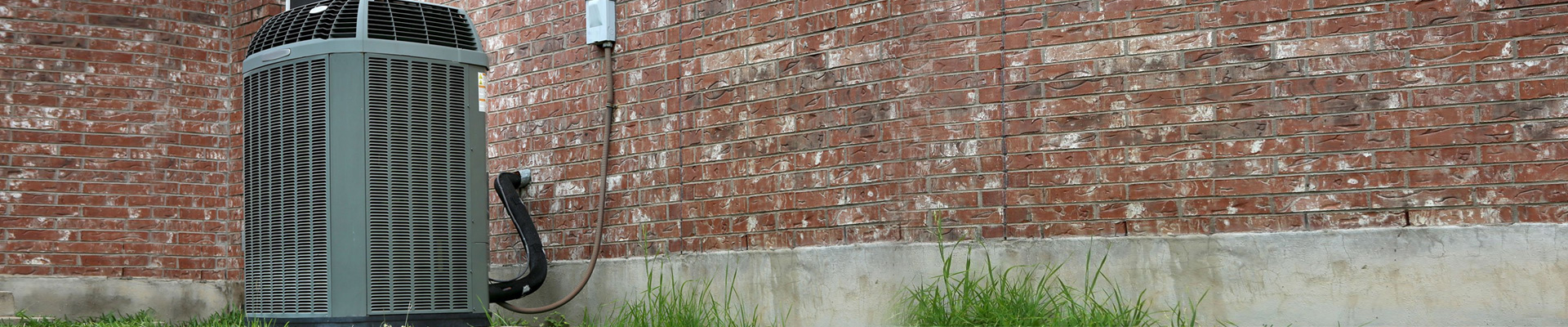
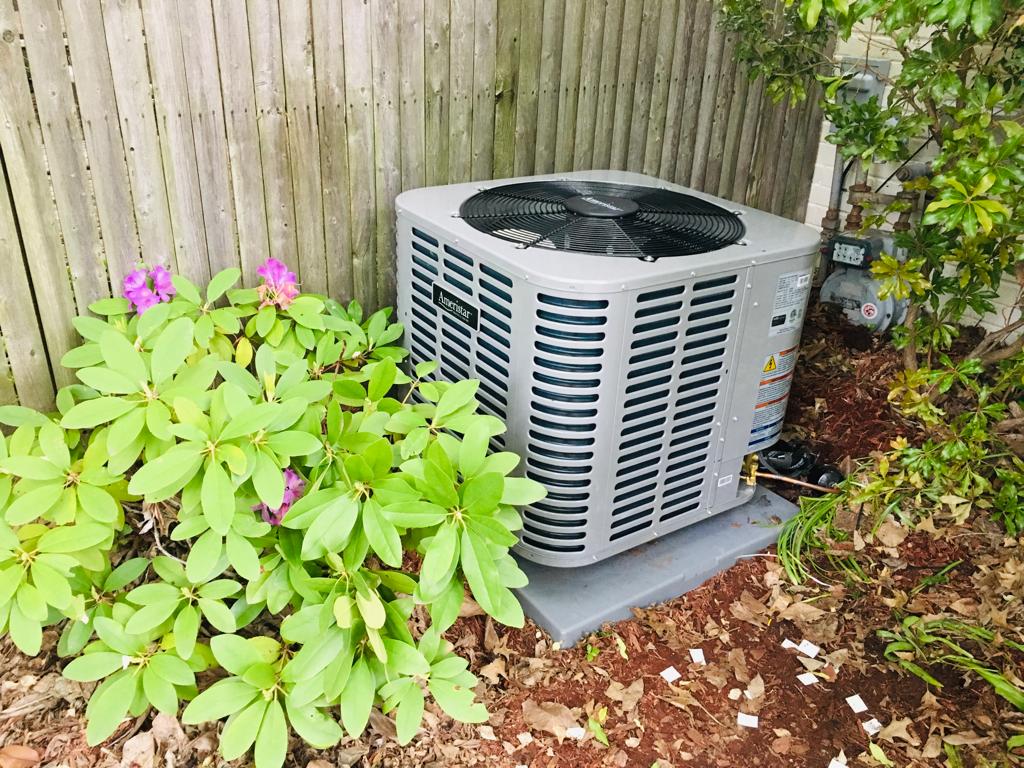
Weather changes can occur rapidly in the United States. The temperature may be warm and sunny on a particular day. However, the next day the temperature may drop suddenly with rain or high humidity. The changes in the weather do more than just make it uncomfortable to go outside. The changes may also affect the quality of the air inside your home.
However, many people are not aware that weather changes can also lead to indoor air quality problems like humidity balance, increased dust levels, and mold growth. Therefore, it is important to ensure that you have your HVAC system inspected and repaired by a reliable HVAC repair contractor in Reston residents trust.
Understanding the effects of changes in weather on indoor air quality can enable you to take measures to ensure that your indoor air is comfortable.
Changes in Humidity Levels
Humidity is one of the biggest factors that can influence the quality of indoor air. Severe weather changes often lead to sudden fluctuations in humidity levels. When the humidity level increases suddenly, the moist air can enter the indoor space, making the indoor air feel heavy.
High humidity can also promote the development of molds, dust mites, and bacteria. Such factors can cause allergy symptoms, breathing difficulties, and odors in your house.
Your HVAC system can help regulate humidity in your house by removing excess moisture from the air. If your HVAC system is malfunctioning, humidity can build up in your house very fast. In such a situation, a professional AC repair contractor in Reston can check your HVAC system to ensure that it is functioning properly in removing moisture from the air.
Increased Dust and Allergens
Changes in weather can also bring an increase in the amount of dust and allergens entering your home. High winds, storms, and changes in temperatures can bring allergens such as pollen and dust into your home through your windows, doors, and ventilation system.
As these particles pass through your HVAC system, they can end up all over your house. Dirty air filters can make this situation worse since they cannot trap the additional dust and allergens.
Maintenance and replacement of HVAC filters help in controlling airborne particles. Many people schedule residential air conditioning repair in Reston to ensure that their HVAC systems have good air filtration capabilities during different weather conditions.
Mold and Mildew Risks
Unexpected rain or humidity can cause moisture to collect, making the conditions inside your home more favorable to mold and mildew. Mold can start developing rapidly when moisture gets trapped in air ducts, walls, or insulation.
Airborne mold spores may become a source of indoor air pollution. These symptoms might include cough, sneeze, headache, or eye irritation.
A skilled HVAC repair contractor in Reston can inspect the ductwork and the cooling systems to ensure that there is no accumulation of moisture within the systems, which can cause mold growth.
Temperature Fluctuations
Sudden temperature fluctuations can also cause additional stress on your HVAC system. Sudden changes in temperature outdoors can cause your system to go through cycles of heating and cooling frequently.
This constant adjustment may cause wear on some of the important parts of your system, including compressors, fans, and thermostats. This means that if your system is not well-maintained, it may not be able to control your indoor air quality or temperature correctly.
A professional AC repair contractor in Reston can check these parts of your system and ensure that it is able to react correctly to changes in weather.
Poor Ventilation
Weather changes may have an impact on the ventilation in your home. For instance, many people keep their windows and doors closed during a storm or in very hot or cold weather.
If there’s not enough ventilation, indoor air contaminants like cooking smoke, cleaning agents, and dust can accumulate. That is why your HVAC system is crucial for moving and cleaning the air inside your home.
If you suspect that your home is not getting good airflow, residential air conditioning repair services in Reston can help to improve the airflow within your home.
How to Protect Your Indoor Air Quality
There are some simple measures that can be adopted to ensure indoor air quality is not compromised during rapid weather changes.
Changing air filters is one of the measures that can be adopted to ensure that dust is captured before it spreads all over the house. Clean vents also play an important role.
In addition to this, the maintenance of a proper level of humidity is also essential. For this purpose, a dehumidifier or a functioning air conditioner may be used to remove excess moisture from the air.
By scheduling regular inspections with an HVAC repair contractor in Reston, a homeowner can be assured that their HVAC system is ready for any weather change.
Conclusion
Rapid weather changes are one of the biggest factors for indoor air quality, which can change very quickly. It is well known that abrupt changes in humidity, temperature, and outdoor pollutants can cause problems such as mold, dust accumulation, and insufficient ventilation.
One good way to maintain good quality air in your home is to make sure your HVAC system is in good working condition. Getting regular checkups from a good HVAC repair contractor in Reston is one of the best ways to ensure that your HVAC system is running smoothly. Maintenance is one way to ensure that your home is a comfortable place to be during the changing seasons.
FAQs
1. How does weather impact indoor air quality?
Weather changes may result in an increase in humidity levels, the introduction of dust and allergens, as well as the management of airflow and moisture levels.
2. What are the signs of poor indoor air quality?
The signs of poor indoor air quality include an increase in dust, musty smells, allergies, and uneven humidity levels within the home.
3. How often should HVAC air filters be replaced?
It is recommended that most air filters be replaced every one to three months, depending on usage and indoor air conditions.
4. Can humidity cause mold inside my home?
Yes, it can. Humidity levels that are too high can cause moisture that leads to mold and mildew growth inside your home.
5. When should I contact an HVAC professional?
You should contact a professional if you notice issues such as poor airflow, high humidity, strange smells, or if your system is not keeping your home at a comfortable temperature.