VA 703-457-9028
 Apply for Financing
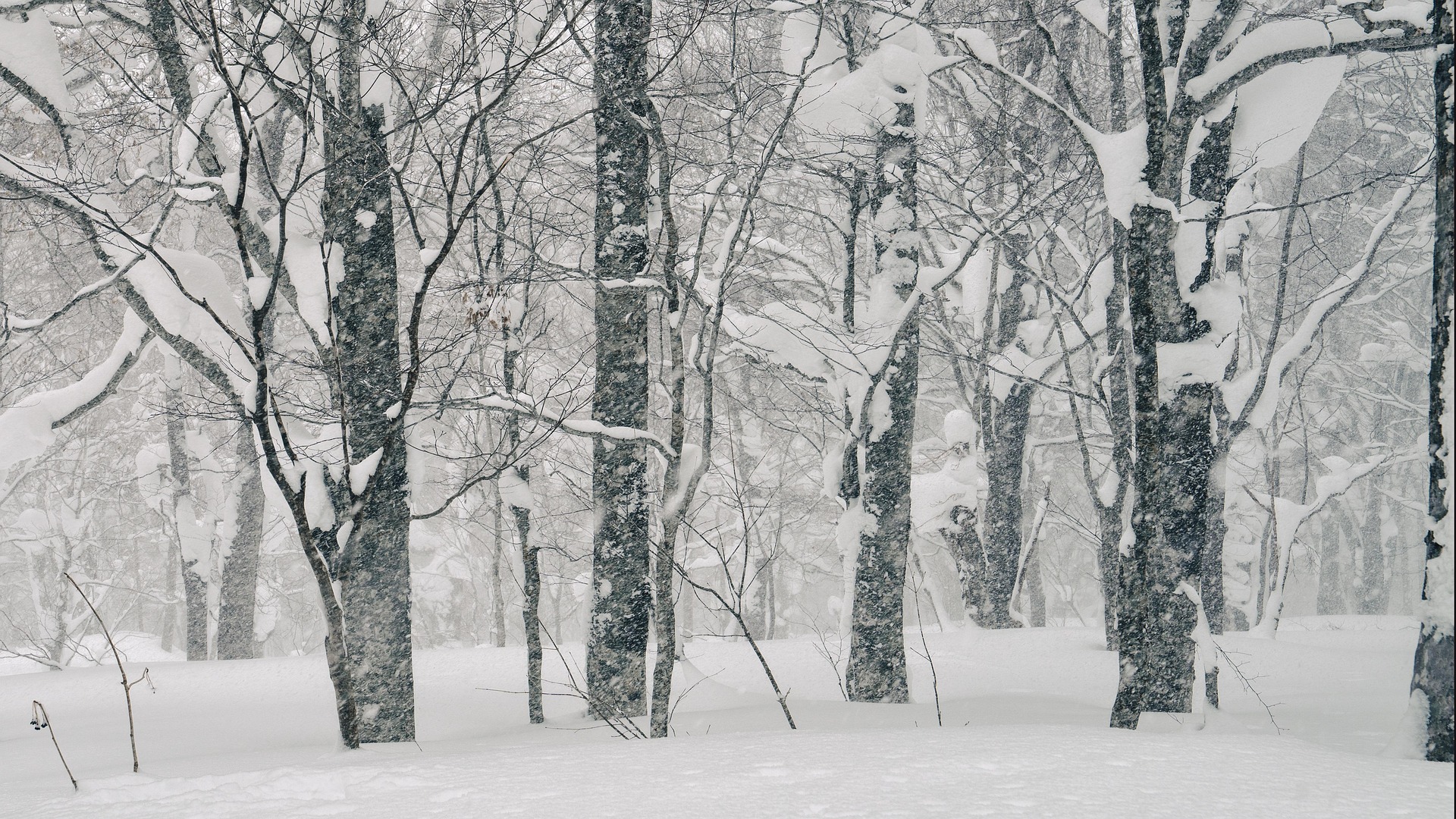
This weekend, a strong winter storm with a lot of snow, extremely low temperatures, and possibly hazardous circumstances is predicted for a large portion of the United States, with broad effects ranging from sub-zero wind chills to freezing rain. Millions of locals are preparing for frigid temperatures, power outages, and dangerous driving conditions. Making sure your heating system is in optimal condition before the snow and cold arrive is the first crucial step towards staying warm and safe.
Why This Snowstorm Means Business
According to weather forecasts tied to the latest NOAA outlook, this weekend’s storm is expected to affect a large swath of the country with heavy snow, ice, and temperatures well below normal. These conditions create greater demand on home heating systems, often when they are already stressed from constant use.
Extreme cold, ice buildup, and heavy snow not only make life uncomfortable without proper heat, but they can also stress HVAC systems, increasing the risk of breakdowns right when you need heat most. When power outages occur, the demands on your furnace, heat pump, or boiler can spike as the system tries to keep your home warm for longer stretches.
That’s why a pre-storm heating check isn’t just recommended — it’s critical for comfort, safety, and peace of mind.
Benefits of Checking Your Heating System Before the Storm
1. Catch Problems Before They Become Emergencies
One of the biggest reasons to check your heating system before a snowstorm is to identify small issues before they escalate into total system failure. During peak winter conditions, minor problems like clogged filters, worn-out parts, and thermostat malfunctions can quickly turn into major headaches.
Failing components may work intermittently or break down entirely under heavy demand. A pre-storm check gives HVAC professionals the chance to catch these problems early, often resulting in cost savings and uninterrupted warmth.
2. Ensure Maximum Efficiency and Lower Energy Bills
A system operating at peak efficiency uses less energy to produce the same amount of heat. Dirty filters, blocked vents, and worn parts force your system to work harder, increasing energy bills and wear. Regular maintenance makes your system more efficient, helping you stay warm without skyrocketing utility costs.
When temperatures plunge, a finely tuned system is often more capable of handling prolonged demand without overworking itself, a key advantage during extreme cold.
3. Improve Safety for Your Home and Family
This is the big one. Safety is so important when these storms hit. Most heaters, especially furnaces, deal with gas, fire, and electricity. If they aren’t looked after, they can actually get kind of dangerous.
When a pro does a pre-storm check, they’re looking for things like gas leaks or weird wiring issues. They also make sure the air is flowing right and that your carbon monoxide detectors aren’t just decorative wall art. You want to know your family is safe, especially when the heater is running non-stop for 48 hours straight.
4. Avoid Costly Repairs or Replacement During Peak Demand
If you wait until the snow is actually falling, you’re going to be stuck in a long line. Everyone else whose heater just died is going to be calling the same people. It’s like trying to buy bread and milk ten minutes before the storm starts—total chaos.
Scheduling a check-up now means you aren’t fighting the crowds. It saves you money in the long run because you’re preventing a total breakdown, and honestly, it just saves you a massive headache.
What a Pre-Storm Heating Check Includes
We used to think they just came in and kicked the unit to make sure it hummed, but a real check-up is actually pretty involved. A technician performs a comprehensive deep-dive to ensure your home stays a sanctuary rather than a walk-in freezer. Here is what a professional check-up typically looks like:
- Airflow Inspection: They look at the filters, blowers, and vents to make sure the air can actually get where it needs to go and that everything is operating cleanly.
- Thermostat Calibration: They check for accuracy to make sure your system responds correctly to your settings. After all, nobody wants the house to feel like the Arctic when the dial says 70.
- Electrical Safety: A technician will check all the electrical connections to prevent shorts or total failures when the demand for heat spikes.
- Leak Detection: They hunt for any leaks or structural issues that might reduce the safety of your home or the efficiency of the unit.
- Filter Maintenance: They will clean or replace the filter. This is a small step, but it’s arguably the most important one before your system starts working overtime in the heavy snow.
Tips for Homeowners Before the Snowstorm
Even if you get the pros in, there’s stuff you can do yourself to keep things running smoothly.
- Change Your Air Filters: This is so simple, but so many people forget. A clogged filter is like a wall for your heater. Swap it out before the snow starts.
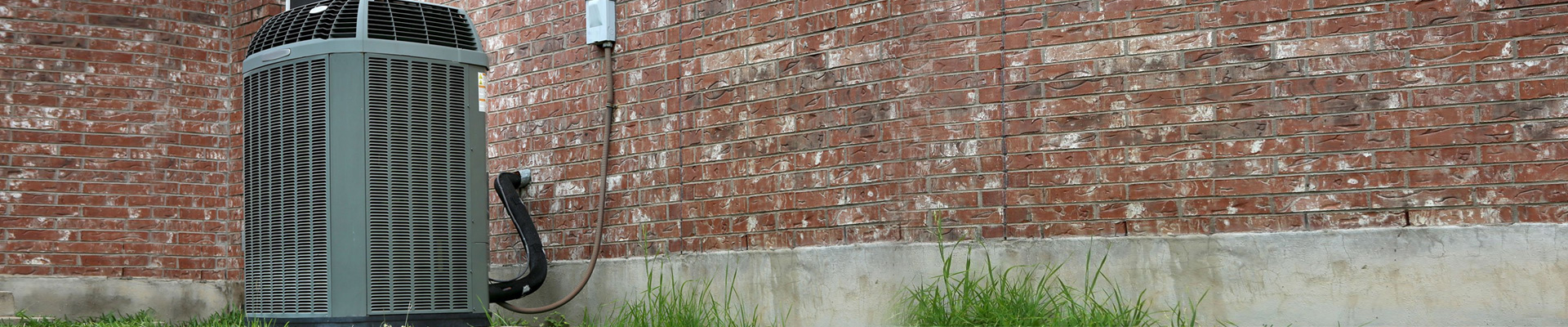
- Clear Vents and Outdoor Components: If you have a heat pump outside, go out there and make sure it’s not buried in leaves or junk. If snow starts piling up, you’ll want to keep it clear so it can breathe.
- Check Carbon Monoxide and Smoke Detectors: Since your heater is going to be working extra hard, the risk of stuff like carbon monoxide goes up a bit. Check the batteries! It takes two seconds, and it’s a total lifesaver.
- Insulate Exposed Ducts and Pipes: If you’ve got pipes in a cold crawlspace or a garage, wrap ’em up. Frozen pipes are a nightmare nobody wants to deal with in a blizzard.
Frequently Asked Questions (FAQs)
How soon should I check my heating system before the snowstorm?
Honestly, as soon as you can. Doing it a few days early gives you a buffer if the technician finds something that actually needs a part or a repair.
Can I check my heating system myself?
You can definitely do the “easy” stuff, like changing the filters or checking the batteries in your smoke alarm. But for the deep-down safety stuff and the mechanical checks? Yeah, you really want a pro for that. You don’t want to be messing with gas lines yourself, you know?
What if my heater stops working during the storm?
If it dies, call for emergency service right away. And hey, this is super important—don’t try to use a camping stove or a charcoal grill inside to stay warm. That’s how people get carbon monoxide poisoning. Just pile on the blankets until the pro gets there.
Will regular maintenance really prevent breakdowns?
Nothing is 100% guaranteed in life, right? But it makes a huge difference. It’s all about finding that one loose wire or dirty sensor before it shuts the whole thing down.
How does a pre-storm check improve safety?
It basically clears out the “hidden” dangers. It catches gas leaks you can’t smell or electrical issues that might start a fire when the system gets hot. It’s just about making sure everything is venting out of the house like it’s supposed to.
At the end of the day, these big snowstorms are no joke. They put a ton of strain on our homes, and our heaters are usually the unsung heroes of the whole weekend. If you don’t give yours a little TLC now, it might just decide to take a vacation right when the mercury hits zero.
So, seriously, don’t get left in the cold. Take a few minutes to get things ready so you can actually enjoy the snow from inside your nice, toasty living room.Contact AVS Heating and Air today for a professional pre-storm heating check, and rest assured that your home will stay warm and safe this weekend.