VA 703-457-9028
 Apply for Financing
Most homeowners think about their HVAC system only when something goes wrong. But there is one component quietly working inside every unit that, when neglected, can drive up your energy bills, shorten the life of your equipment, and leave your home stuffy and uncomfortable on the hottest days of the year: the coils.
Whether you have a central air system, a heat pump, or a ductless mini-split, dirty coils are one of the most common and most overlooked causes of poor HVAC performance. Understanding what coils do, how they get dirty, and when to call a professional is the first step toward a more efficient home.
What Are HVAC Coils and What Do They Do?
Your air conditioning system works by moving heat, not by generating cold air. Two coils are at the heart of this process:
The Evaporator Coil
Located in your indoor air handler, the evaporator coil absorbs heat from the air inside your home. Warm indoor air passes over the cold, refrigerant-filled coil, and the refrigerant absorbs that heat before carrying it outside. The cooled air is then circulated back through your ductwork.
The Condenser Coil
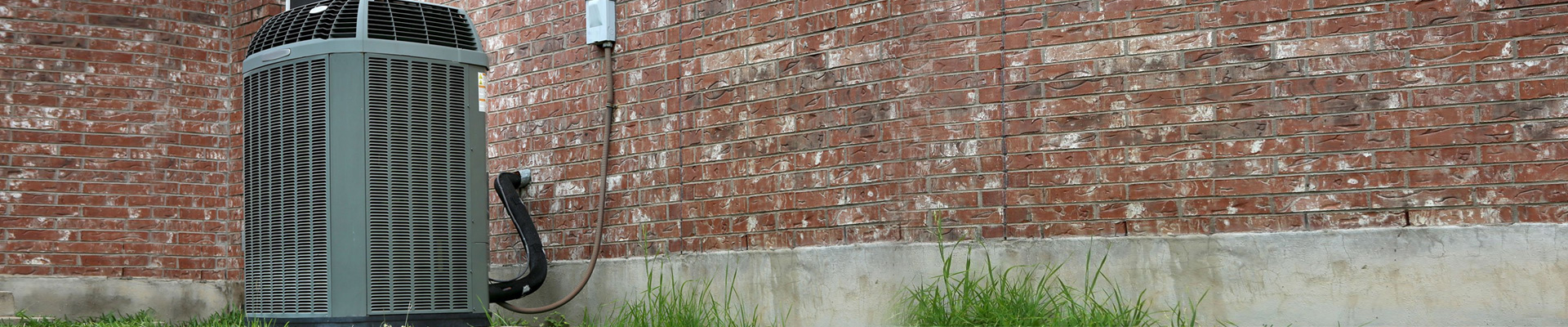
The condenser coil sits in your outdoor unit. It releases the heat collected indoors into the outside air. For this to work properly, the coil needs to breathe freely — which becomes impossible when it is caked in dirt, grass clippings, or cottonwood seeds.
Both coils depend on unobstructed airflow and clean surfaces to transfer heat efficiently. The moment either coil becomes contaminated, your entire system starts working against itself.
How Coils Get Dirty Over Time
Coil contamination is a normal result of everyday system operation. Your HVAC unit moves large volumes of air continuously, and that air carries microscopic particles with it. Common culprits include:
- Dust and pet dander that slip past aging or low-quality air filters
- Mold spores and pollen especially common in humid Virginia summers
- Outdoor debris like grass, leaves, and cottonwood fluff surrounding condenser units
- Household chemicals and cooking vapors that deposit a fine oily film on indoor coils
- High humidity which causes particles to stick and accumulate more rapidly
Without regular HVAC maintenance, even a thin layer of grime on the coil surface is enough to trigger a cascade of performance problems.
The Real Cost of Dirty Coils: Performance Problems You Will Notice
Dirty coils do not just reduce comfort — they create measurable, compounding problems that get worse the longer they go unaddressed.
1. Reduced Cooling Capacity
Dirt acts as an insulating blanket on the coil surface, blocking the heat exchange that makes air conditioning possible. Your system may run constantly without ever reaching your thermostat setpoint, leaving rooms warm and muggy.
2. Skyrocketing Energy Bills
Because a dirty system has to run longer and work harder to do the same job, your electricity consumption rises sharply. Research has shown that heavily fouled coils can reduce system efficiency by 20 to 40 percent — a difference you will see clearly on your monthly utility statement.
3. Frozen Evaporator Coils
When airflow across the evaporator coil is restricted by a layer of debris, the coil temperature can drop below freezing. Moisture in the air freezes on contact, forming a block of ice that cuts off airflow entirely. A frozen coil can cause your system to blow warm air — and can lead to refrigerant line damage if not addressed quickly.
4. Compressor Strain and Early Failure
The compressor is the most expensive single component in your air conditioning system. Dirty coils force the compressor to operate under sustained high pressure, generating excess heat that accelerates wear. Compressor failure almost always requires a full system replacement — a cost that routine coil cleaning could have avoided entirely.
5. Declining Indoor Air Quality
A dirty evaporator coil is a hospitable environment for mold and bacteria. As air passes over a contaminated coil, it picks up allergens and biological particles that are then distributed throughout your home. Residents with asthma, allergies, or respiratory conditions are especially vulnerable to this effect.
Warning Signs That Your Coils Need Attention
Your HVAC system will often signal a coil problem before things get serious. Watch for these indicators:
- Your home takes noticeably longer to cool down than it used to
- You see ice or frost forming on the indoor unit or refrigerant lines
- Airflow from your supply vents feels weak or inconsistent
- A musty or sour smell comes from the vents when the system runs
- Your energy bills have increased without a change in usage habits
- The outdoor condenser unit looks visibly clogged with debris
- The system short-cycles turning on and off more frequently than normal
If any of these symptoms sound familiar, do not wait. Early intervention from a qualified HVAC repair contractor in Woodbridge can prevent a routine cleaning from escalating into a costly emergency repair.
How Often Should You Have Your Coils Cleaned?
For most households, an annual coil cleaning as part of a professional HVAC tune-up is sufficient. The best time to schedule this service is in the spring, before the air conditioning season begins in earnest, so your system is ready to perform when you need it most.
Some situations call for more frequent attention:
- Homes with multiple pets that shed heavily throughout the year
- Properties surrounded by trees where pollen and debris accumulate quickly
- Households with allergy sufferers who are more sensitive to coil-related air quality issues
- Systems that run year-round as both heating and cooling, as in many Virginia homes
- Older equipment that may already have reduced efficiency and needs extra care
Professional Coil Cleaning vs. DIY: Why It Matters
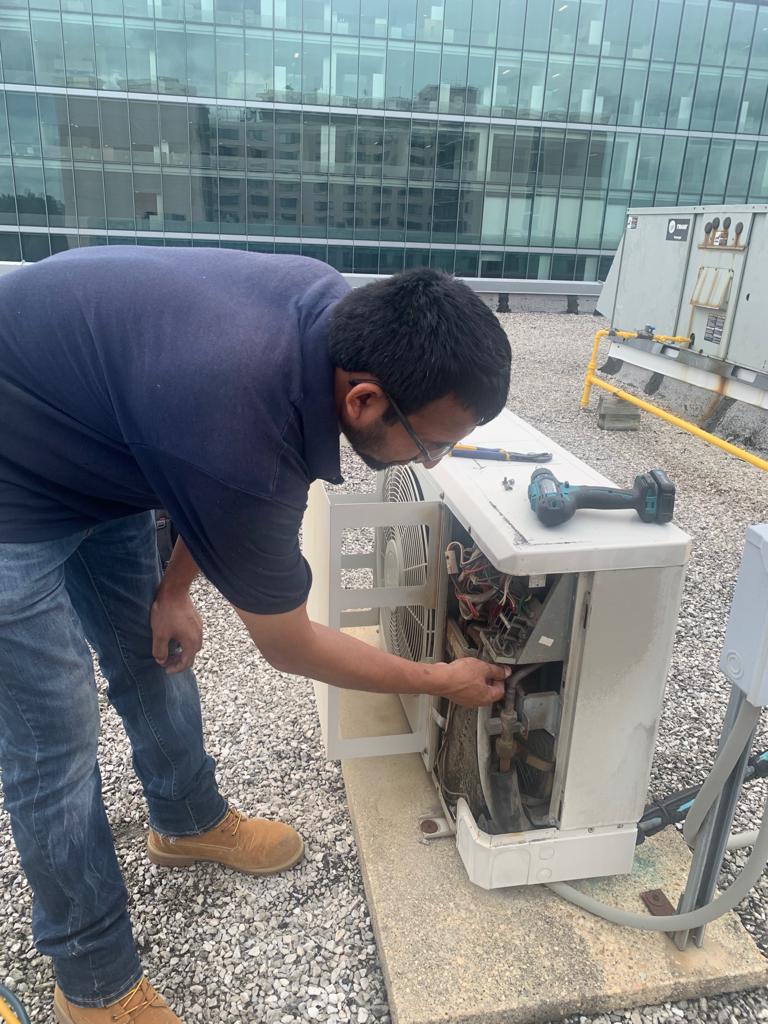
It is tempting to rinse off the condenser with a garden hose and call it done. While light external cleaning of the outdoor unit is something handy homeowners can manage, a true coil cleaning goes much further. A licensed HVAC technician will complete several steps that simply cannot be replicated at home:
- Apply commercial-grade coil cleaner to both the evaporator and condenser coils, safely dissolving built-up grime without damaging delicate aluminum fins.
- Inspect for coil corrosion, refrigerant leaks, and fin damage that might not be visible to the untrained eye.
- Straighten bent fins with a fin comb to restore proper airflow across the coil surface.
- Check refrigerant levels and system pressures to confirm the unit is operating within manufacturer specifications.
- Measure airflow, temperature differential, and system performance before and after cleaning to document the improvement.
Improper DIY cleaning can bend fins, introduce moisture into electrical components, or — in the case of the evaporator coil — risk a refrigerant leak that requires an EPA-certified technician to repair. For most homeowners, professional service is the safer, more thorough, and ultimately more economical choice.
Woodbridge, VA Homeowners: Why Local Expertise Makes a Difference
Northern Virginia’s climate puts unique demands on residential HVAC systems. Hot, humid summers push air conditioners hard from June through September, while the region’s heavy tree canopy and seasonal pollen counts accelerate coil contamination more quickly than in drier climates.
If your system is struggling to keep up — or if you have not had a professional inspection in more than a year — working with a trusted residential air conditioning repair specialist in Woodbridge means you get fast diagnostics, honest recommendations, and service from a team that understands exactly what local systems face season after season.
From a straightforward coil cleaning to a full HVAC repair, local contractors are equipped to handle the specific challenges of the Woodbridge area — and they are available when your system needs help most. Learn more about local HVAC services at avsheatingandair.com/woodbridge-va.
Simple Steps to Keep Your Coils Clean Between Service Visits
Routine maintenance habits can dramatically extend the time between professional cleanings and keep your system running at peak efficiency year-round:
- Replace air filters every 1–3 months. A clean filter is the first line of defense against evaporator coil contamination. Higher-MERV filters (rated 8–11) trap finer particles without restricting airflow excessively for most residential systems.
- Keep two feet of clearance around the outdoor unit. Remove vegetation, mulch, and debris regularly so the condenser coil can expel heat freely.
- Schedule annual HVAC maintenance. A professional tune-up includes coil inspection and cleaning as a baseline service, catching small problems before they become expensive ones.
- Consider a UV air purifier. Ultraviolet lights installed near the evaporator coil inhibit mold and bacterial growth, reducing biological buildup between cleanings.
- Keep indoor humidity under control. A whole-home dehumidifier or well-maintained portable units reduce the sticky environment that helps dust bond to coil surfaces.
Conclusion: A Small Maintenance Task With a Big Payoff
Dirty coils are a slow-moving problem that can become a fast-moving crisis. What starts as a slight drop in efficiency can escalate into a frozen evaporator, a burned-out compressor, or a complete system failure on the hottest day of summer, all of it preventable with a simple annual cleaning.
Investing in professional coil cleaning and regular HVAC maintenance is one of the highest-return decisions a homeowner can make. You will see lower energy bills, more consistent comfort, better indoor air quality, and a system that lasts years longer than it would have otherwise.
If your system has been running harder than it should, or if it has been more than a year since your last professional inspection, now is the right time to act. Contact a reliable HVAC repair contractor in Woodbridge and schedule a service visit before the heat sets in. Your system and your energy bill will thank you.