
 VA 703-457-9028
 Apply for Financing

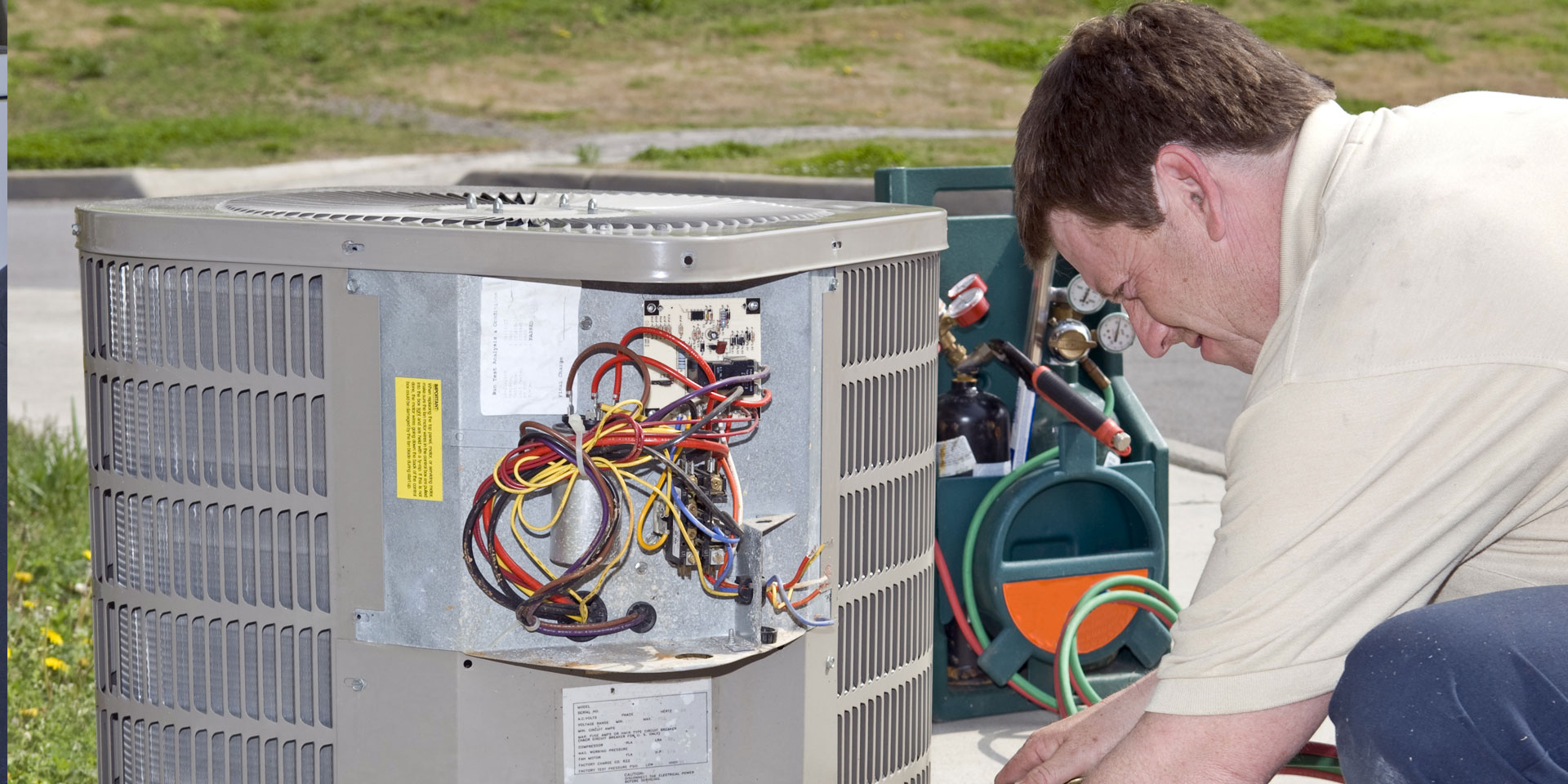
Choosing between ducted vs ductless heat pumps can make or break your home’s comfort and energy bills. This heat pump installation comparison is designed for homeowners planning HVAC upgrades, contractors weighing system recommendations, and anyone curious about modern heating and cooling solutions.
Ductless mini split systems and traditional ducted systems each offer unique advantages, but the right choice depends on your home’s layout, budget, and efficiency goals. We’ll break down the key differences between these two popular heat pump technologies and help you understand which fits your situation best.
Understanding Heat Pump System Basics
How Heat Pumps Work to Save Energy
Heat pumps operate by transferring thermal energy rather than generating it, making them incredibly efficient compared to traditional heating systems. They extract warmth from outdoor air, even in cold temperatures, and move it indoors during winter, while reversing the process for cooling in summer. This energy transfer method typically delivers three to four times more heating or cooling energy than the electrical energy consumed, resulting in significant utility bill reductions.
Key Components That Affect Performance
The compressor, refrigerant coils, and fan system form the heart of any heat pump installation. Indoor and outdoor units work together through refrigerant lines, with the compressor pressurizing refrigerant to facilitate heat transfer. Whether you’re considering ducted vs ductless heat pumps, these core components remain essential, though ductless mini split systems feature individual air handlers that connect directly to outdoor units, eliminating the need for extensive ductwork.
Ducted Heat Pump Systems Explained
Central Distribution Through Existing Ductwork
Ducted heat pump systems work by connecting to your home’s existing ductwork, pushing heated or cooled air through the same vents your traditional HVAC system uses. This setup makes ducted systems perfect for homes that already have a comprehensive duct network in place. The central unit typically sits outside your home, while the indoor air handler connects to your ductwork to distribute conditioned air throughout every room.
Whole-Home Comfort Control Benefits
When you choose ducted heat pump installation, you get consistent temperature control across your entire living space. Unlike ductless mini split systems that create zones, ducted systems maintain uniform comfort levels from room to room. You can control everything from one central thermostat, making temperature adjustments simple and convenient. This whole-house approach works especially well for families who prefer consistent temperatures throughout their home rather than managing multiple individual units.
Integration with Current HVAC Infrastructure
The beauty of ducted heat pump systems lies in their seamless integration with your existing heating and cooling infrastructure. If your home already has ductwork from a furnace or central air system, the transition becomes straightforward. Your current thermostat wiring, electrical connections, and air distribution network can often be repurposed, reducing overall installation complexity. This compatibility makes ducted systems an attractive option for homeowners looking to upgrade their heating efficiency without major structural changes.
Professional Installation Requirements
Installing ducted heat pump systems requires skilled HVAC professionals who can properly size the equipment and ensure optimal performance. The installation process involves connecting refrigerant lines, electrical components, and integrating the system with your existing ductwork. Professional technicians also need to evaluate your current ductwork for any necessary modifications or improvements. Proper installation directly impacts the system’s energy efficiency and long-term reliability, making expert installation essential for maximizing your investment.
Ductless Heat Pump Systems Breakdown
Zone-Based Temperature Control Advantages
Ductless mini split systems give you complete control over different areas of your home without the temperature battles that come with traditional systems. Each indoor unit operates independently, letting family members set their preferred temperature in bedrooms, living rooms, or home offices. This zone based approach means you’re not wasting energy cooling empty rooms or dealing with hot and cold spots that plague whole-house systems.
Individual Room Customization Options
Every room becomes its own climate controlled environment with ductless heat pump systems. You can keep bedrooms cooler for better sleep while maintaining a comfortable temperature in living areas during the day. The individual wall mounted or ceiling units respond quickly to temperature adjustments, and many models include programmable timers and smart controls that learn your daily routines for automatic comfort optimization.
Minimal Installation Impact on Your Home
Installing ductless systems requires only a small hole through the wall to connect indoor and outdoor units, making it perfect for homes without existing ductwork. The process typically takes just one day per unit, with no major construction, wall demolition, or floor removal needed. This minimal disruption approach makes ductless installations ideal for older homes, room additions, or any space where traditional ducted systems would be impractical or too invasive to install.
Energy Efficiency and Performance Benefits
Seasonal Energy Efficiency Ratings
Heat pump energy efficiency ratings tell the real story when comparing ducted vs ductless heat pumps. Ductless mini split systems typically achieve higher SEER ratings (20-30+) compared to ducted systems (14-20 SEER) because they eliminate energy losses through ductwork. Mini splits also deliver superior HSPF ratings for heating performance, making them more cost-effective year-round.
Real-World Energy Savings Potential
Ductless heat pump systems can reduce energy bills by 30-40% compared to traditional HVAC systems, while ducted heat pump benefits include whole-home comfort with 20-25% savings. The absence of ductwork in mini split systems eliminates the 20-30% energy loss common in ducted installations. Zoned heating and cooling capabilities in ductless systems allow homeowners to condition only occupied spaces, maximizing efficiency.
Home Compatibility and Requirements
Existing Ductwork Assessment Needs
Ducted heat pump systems rely on your home’s existing ductwork network to distribute conditioned air throughout the space. Before installation, HVAC professionals must evaluate your current ducts for proper sizing, sealing, and structural integrity. Leaky or undersized ducts can significantly reduce system efficiency and comfort levels. Ductless mini split systems bypass this requirement entirely, making them perfect for homes without existing ductwork or properties where duct installation would be impractical or costly.
Space and Layout Considerations
Ductless heat pump pros and cons include their flexibility in home layouts compared to ducted systems. Mini split units require wall-mounted indoor units in each room or zone, which some homeowners find visually intrusive. Ducted systems hide components within walls and attics, maintaining clean interior aesthetics. However, ductless systems excel in homes with unique layouts, additions, or rooms that traditional ductwork can’t reach effectively. Room-by-room zoning capabilities make ductless systems ideal for multi-story homes or spaces with varying heating and cooling needs.
Electrical System Requirements
Both ducted vs ductless heat pumps demand specific electrical infrastructure, though requirements differ significantly. Ducted systems typically need a single high-capacity electrical connection at the outdoor unit location, while ductless systems require dedicated circuits for each indoor unit plus the outdoor condenser. Older homes may need electrical panel upgrades to accommodate either system type. Professional electricians must evaluate your current capacity and wiring to ensure safe, code-compliant installation that supports optimal heat pump energy efficiency.
Structural Modifications Needed
Heat pump installation comparison reveals different structural impact levels for each system type. Ducted installations may require significant modifications if existing ductwork needs replacement or extension, including cutting into walls, floors, or ceilings. Ductless systems need small refrigerant line holes through exterior walls and secure mounting points for indoor units. While mini split installation involves minimal structural changes, proper placement planning ensures optimal airflow and system performance throughout your home’s living spaces.
Maintenance and Longevity Factors
Regular Service Requirements
Heat pump maintenance requirements vary significantly between ducted vs ductless heat pumps. Ductless mini split systems need filter cleaning every month and annual professional tune-ups for each indoor unit. Ducted systems require quarterly filter changes and comprehensive ductwork inspections every few years to maintain optimal performance.
Component Lifespan Expectations
Ductless heat pump pros and cons include longer equipment lifespans of 15-20 years compared to ducted systems’ 12-15 years. Indoor mini split units typically outlast traditional air handlers due to less mechanical stress. However, ducted heat pump benefits include easier component replacement when repairs become necessary.
Repair Cost Considerations
Mini split installation cost savings often extend to repairs, as individual unit failures don’t affect the entire system. Ducted systems may require expensive ductwork repairs that can double service costs. Heat pump maintenance requirements for ductless systems focus on individual units, while ducted repairs often involve complex air distribution components throughout the home.
Both ducted and ductless heat pump systems offer solid heating and cooling solutions, but the right choice depends on your specific home setup and needs. Ducted systems work great if you already have ductwork in place and want consistent temperatures throughout your entire home. Ductless systems shine when you need targeted climate control for specific rooms or don’t have existing ducts to work with.
Energy efficiency stays strong with both options, though ductless systems often edge out slightly ahead since they avoid the energy losses that can happen through ductwork. Your home’s layout, age, and current infrastructure will play a big role in determining which system makes the most sense. Take time to evaluate your space, consider your budget for both installation and long term maintenance, and talk with a qualified HVAC professional who can assess your specific situation and help you make the best decision for your comfort and wallet.
FAQs – Comparing Ducted vs Ductless Heat Pump Installations
What is the main difference between ducted and ductless heat pump systems?
A ducted heat pump uses a network of air ducts to distribute heating and cooling throughout the home, while a ductless heat pump uses individual indoor units mounted in specific rooms for zoned comfort.
Which heat pump system is more energy-efficient: ducted or ductless?
Ductless heat pumps are usually more energy-efficient because they avoid energy loss through ductwork. Ducted systems can still be efficient, but duct leaks or poorly insulated ducts may reduce performance.
Is a ductless heat pump a good option for older homes?
Yes, ductless heat pumps are an excellent choice for older homes that do not have existing ductwork. They offer efficient heating and cooling without requiring major renovations.
Are ducted heat pumps better for whole-home comfort?
Ducted heat pumps are ideal for homeowners who want consistent whole-home temperature control through a single central system, especially if the home already has ductwork installed.
Can AVS Heating and Air Conditioning help me choose the right heat pump system?
Yes. AVS Heating and Air Conditioning can assess your home layout, existing ductwork, and comfort needs to recommend the best ducted or ductless heat pump installation for long-term efficiency and comfort.
