VA 703-457-9028
 Apply for Financing

Gas Smell or a Carbon Monoxide Alarm? Leave First
If you smell gas, suspect a gas leak or hear a carbon monoxide alarm, get everyone outside immediately. Call 911 from a safe location. For a suspected gas leak, also contact your gas utility’s emergency line. Do not operate switches, use a phone inside, light a flame or try to restart the furnace. Stay outside until emergency responders say it is safe to return.
Emergency furnace repair is not a substitute for emergency gas-leak or carbon monoxide response. Washington Gas gas-leak guidance and CPSC carbon monoxide guidance.
Tell Us Which Furnace Problem You Are Seeing
The furnace produces no heat
Tell AVS whether the thermostat is blank, whether you hear the furnace start and whether air comes from the vents. A furnace no-heat call can involve controls, ignition, power or another equipment fault; the symptoms help guide the inspection.
The furnace is blowing cold air
Air movement does not necessarily mean the burners are operating. The thermostat’s fan setting, an ignition problem or a system shutdown may be involved. Let us know whether the air stays cold or becomes cold after the furnace has been running.
The furnace starts, then quickly shuts off
Furnace short cycling can leave rooms cold even when the equipment starts repeatedly. Report the pattern and any visible error code without removing access panels or bypassing a safety switch.
The furnace clicks or tries to ignite without staying on
A furnace ignition problem needs inspection of the relevant ignition and safety controls. Repeatedly resetting the equipment does not establish why it is failing to run.
Airflow is weak, rooms heat unevenly or noises have changed
A blower issue or restricted airflow may affect heat delivery. Note which rooms are cold and whether a new rattling, scraping or banging sound occurs at startup or during operation. Persistent unusual odors also warrant attention; use the emergency guidance above for a gas odor or CO alarm.
What a Furnace Inspection May Include
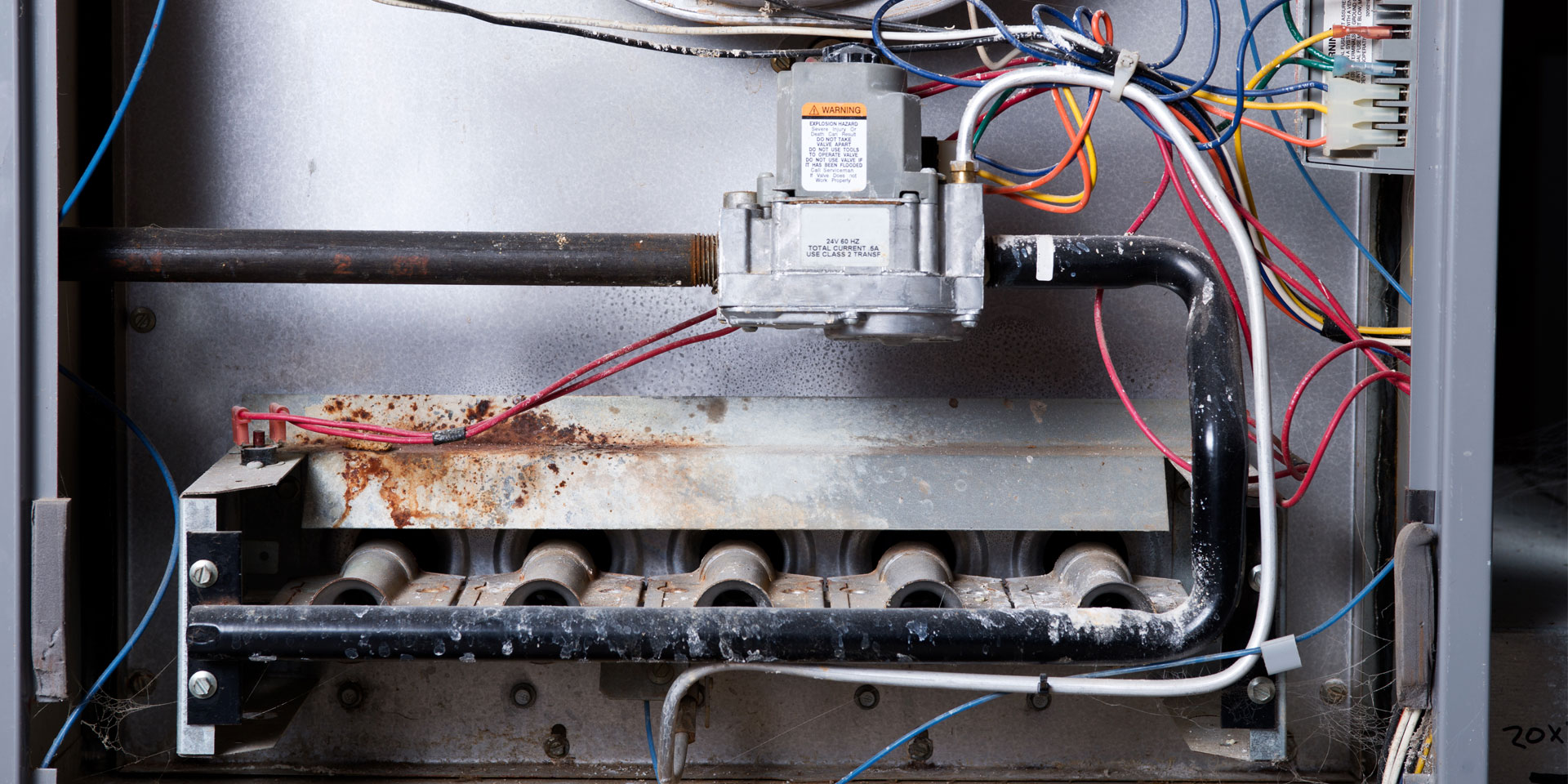
Your furnace’s fuel type, design and symptoms determine the appropriate checks. A diagnosis may involve the thermostat, ignition system, flame sensor, blower motor, control board and airflow. For fuel-burning equipment, the condition of the heat exchanger, venting and combustion operation may also be relevant.
Ask the technician to distinguish a failed component from the condition causing it to fail. An airflow restriction, for example, deserves attention alongside a shutdown that it may be triggering.
If a heat-exchanger or combustion-safety concern is identified, ask to see the findings and have the recommended next step explained. Safety concerns should be resolved before the equipment returns to service.
What Affects Furnace Repair Cost?
Furnace repair cost in Northern Virginia and Maryland depends on the fault and the equipment. An igniter or flame-sensor issue has a different scope from a blower motor replacement, control board repair or heat-exchanger evaluation.
The estimate can also be affected by equipment access, part availability, related damage and applicable parts coverage. Ask whether the diagnostic fee is separate and what the quoted repair price covers.
If the technician recommends more than one repair, ask which work is needed to restore safe operation and which items address other concerns. That helps you understand the decision without relying on a generic online price range.
Want a price for your furnace problem? Schedule a diagnosis and review the repair estimate before deciding.
Furnace Repair or Replacement: What Should Guide the Decision?
Repair may be a practical choice for a serviceable furnace with an isolated, repairable fault. Compare replacement when there is a significant safety concern, repeated breakdowns, a major repair or continuing difficulty heating the home.
Equipment age provides context, but it does not replace an inspection. Review condition, repair history, coverage, parts availability and the total work needed. When replacement is being considered, ask how the proposed system addresses your home’s heating and airflow needs.
You can explore furnace installation and replacement after the repair findings are clear.
Why Choose AVS for Furnace Repair?
A no-heat problem raises immediate questions about safety, timing and cost. AVS gives you a service team to contact and a repair price to review before work begins:
- 30+ Years of Experience: Choose a company with more than 30 years of HVAC experience.
- Certified Technicians: Have heating, ignition and furnace operating problems evaluated by certified technicians.
- Same-Day Service: Call to check same-day repair availability for your ZIP code; scheduling and parts needs can affect completion.
- 24/7 Emergency Assistance: Reach AVS for help with an unexpected heating or cooling breakdown, including outside regular business hours.
- Upfront Fair Pricing: Know the proposed repair and its price before you authorize the work.
- Flexible Financing Available: Discuss current financing options and eligibility when reviewing the proposed work.
- Warranty on All Work: Ask for the coverage, duration and exclusions that apply to your specific repair.
Furnace Repair Coverage in Northern Virginia and Maryland
Share your ZIP code to confirm service for your home. You can review the AVS service-area directory or visit the existing page for furnace repair in Falls Church.
Northern Virginia: Fairfax County, Arlington, Alexandria and Loudoun County communities.
Maryland: Communities in Montgomery County and Prince George’s County, including Bethesda, Rockville, Silver Spring, Gaithersburg and College Park. Call with your ZIP code to confirm service for your address.
Request Help for Your Furnace Problem
Tell AVS whether your furnace has stopped heating, blows cold air or keeps shutting off. Request service in Northern Virginia or Maryland and discuss the next available appointment.
Call AVS: Virginia 703-457-9028 · Maryland 301-686-7129